DOCUMENTING ARTISTS’ WORK
RECORDING THE FRAGMENTS OF EXISTENCE
A serious artist should have archives that explain the work and the self.
Photographs and films create a visual record of how a practice evolves - how decisions are made, how attention moves, how meaning accumulates over time. They allow artists to return, reflect, and build forward with clarity - not for nostalgia, but for structure.
For others, photographic archives can be a goldmine for understanding context that involves period, style, thinking, among others.
They reveal the human behind the art - how they lived, what inspired them, and the conditions under which they worked. It helps contextualize their creations.
The approach of this is always the story. What is important in this moment, what needs to be shown, and how can it be shown interestingly? The following images carry information, moment, and beauty.
WHY THIS WORK MATTERS
Documentation is often the only thing curators, writers, and grant panels will ever see of an artist's work.
A photograph (or film) of a studio, a process, an installation - these are not secondary materials. They are how the work is understood by people who were not in the room, and how it is evaluated by those who decide what gets shown, collected, and written about.
For other work such as installations, performances, collaborative projects, archival material often comes to represent the artwork itself within museum collections. The documentation does not describe the work; it becomes it.
An artist who maintains a visual archive demonstrates seriousness about their practice - that they treat their work with respect and act responsibly toward it. What is not photographed is, in time, not remembered.
The conditions under which the work was made, the space, the thinking, the moment - these disappear without a witness.
ARTIST DOCUMENTATION CASE STUDY
KENTON NELSON
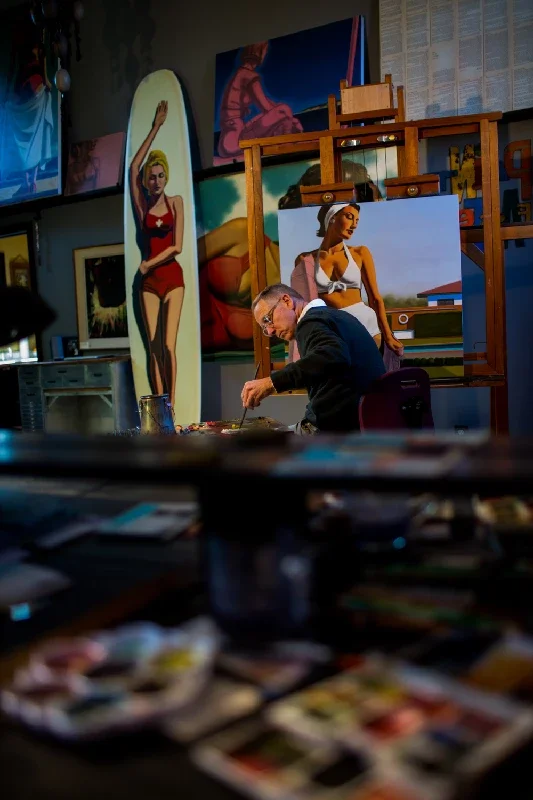
Artist Kenton Nelson, 2015.
This photograph, taken through a mirror, informs his mediums of painting. He just finished a small watercolor painting and in this picture, working on acrylic paintings.
The longboard was his nephew’s, Tyler Warren, a famous surfboard shaper and designer in Orange County.
The collection of these photographs, in black and white, was made into the first documentary short film: Kenton Nelson: American Painter.
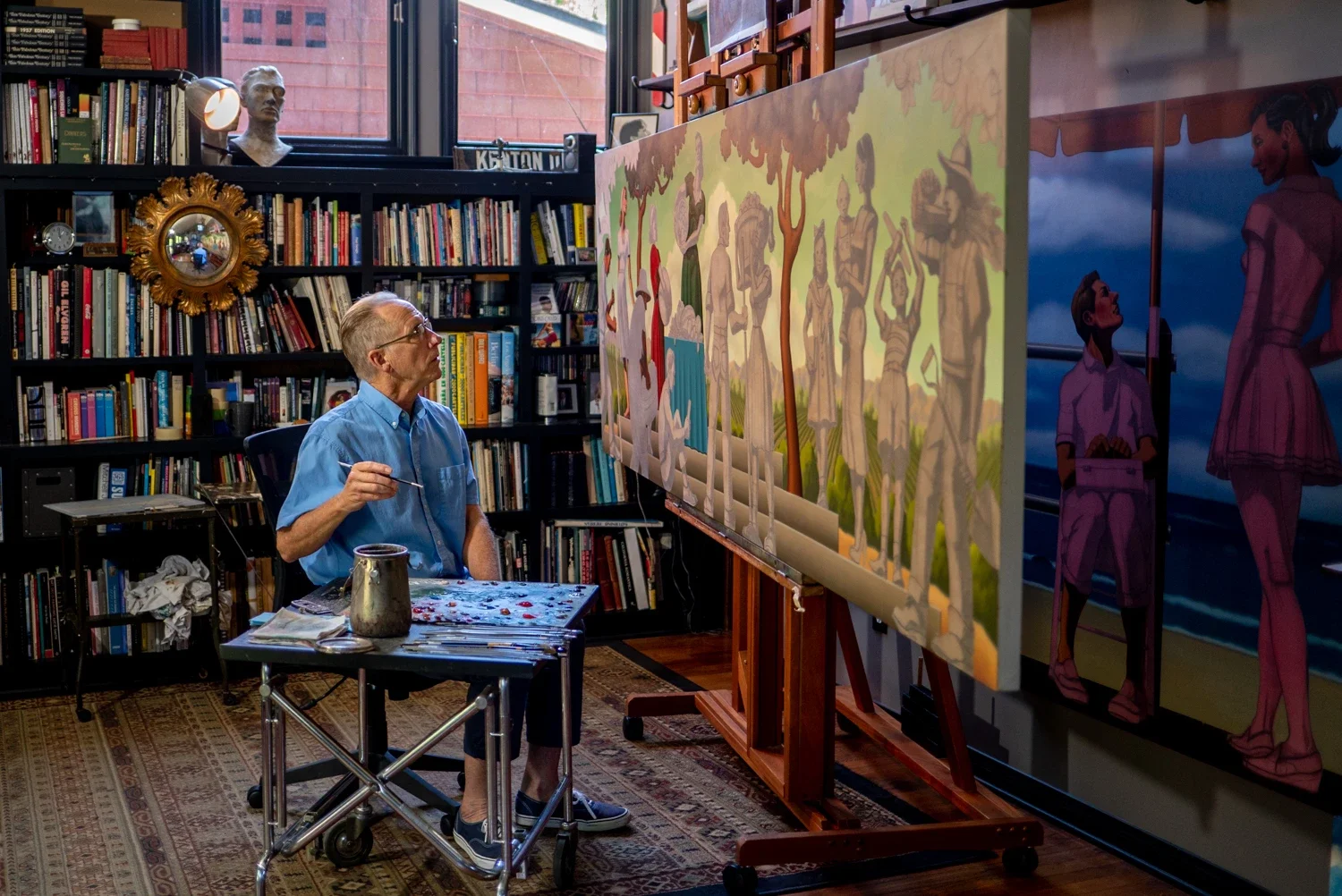
Kenton Nelson pausing to gather his thoughts on his painting, photographed in his studio in Pasadena, California, July 15, 2016. Kenton is a very neat painter - his studio has no paint splatters, and he always dressed well even when painting.
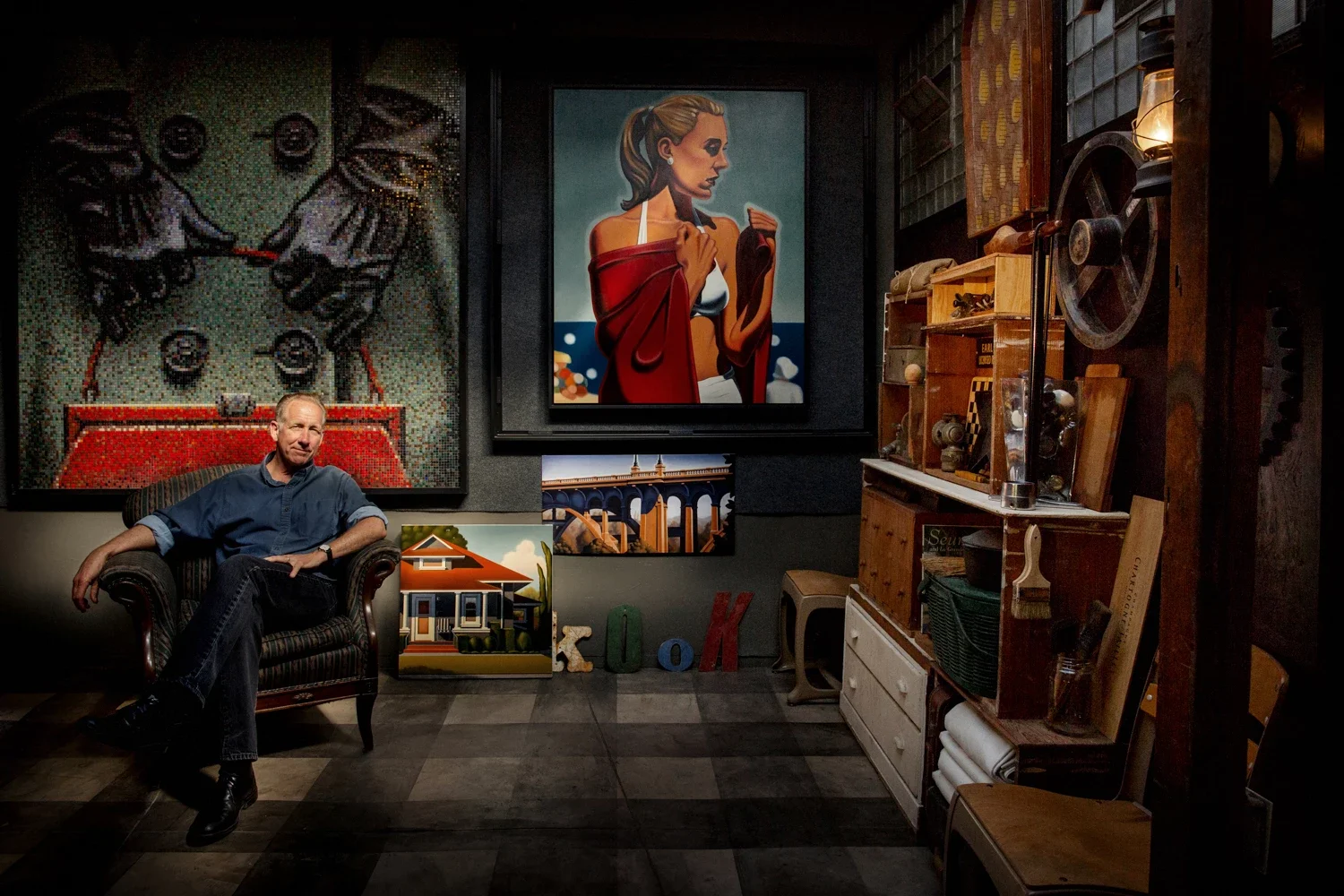
Kenton Nelson, in 2016. Environmental Portrait in his studio garage. On the right side are his father’s items that he had kept, often becoming the objects in his paintings of idealized mundane items. The paintings around him are informing of aspects of his work: his early paintings about the houses in Pasadena, mosaic artwork from his painting, a summer beach-themed painting, and a painting of the Colorado Street Bridge that he painted for the Pasadena Heritage Society to be auctioned off to support the efforts of preserving historic items.
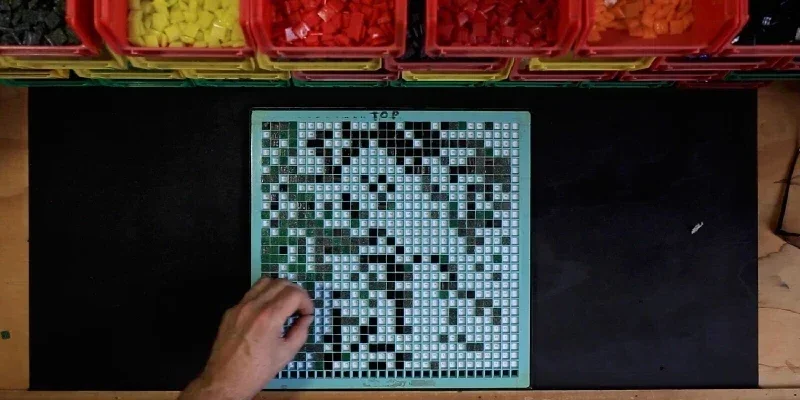
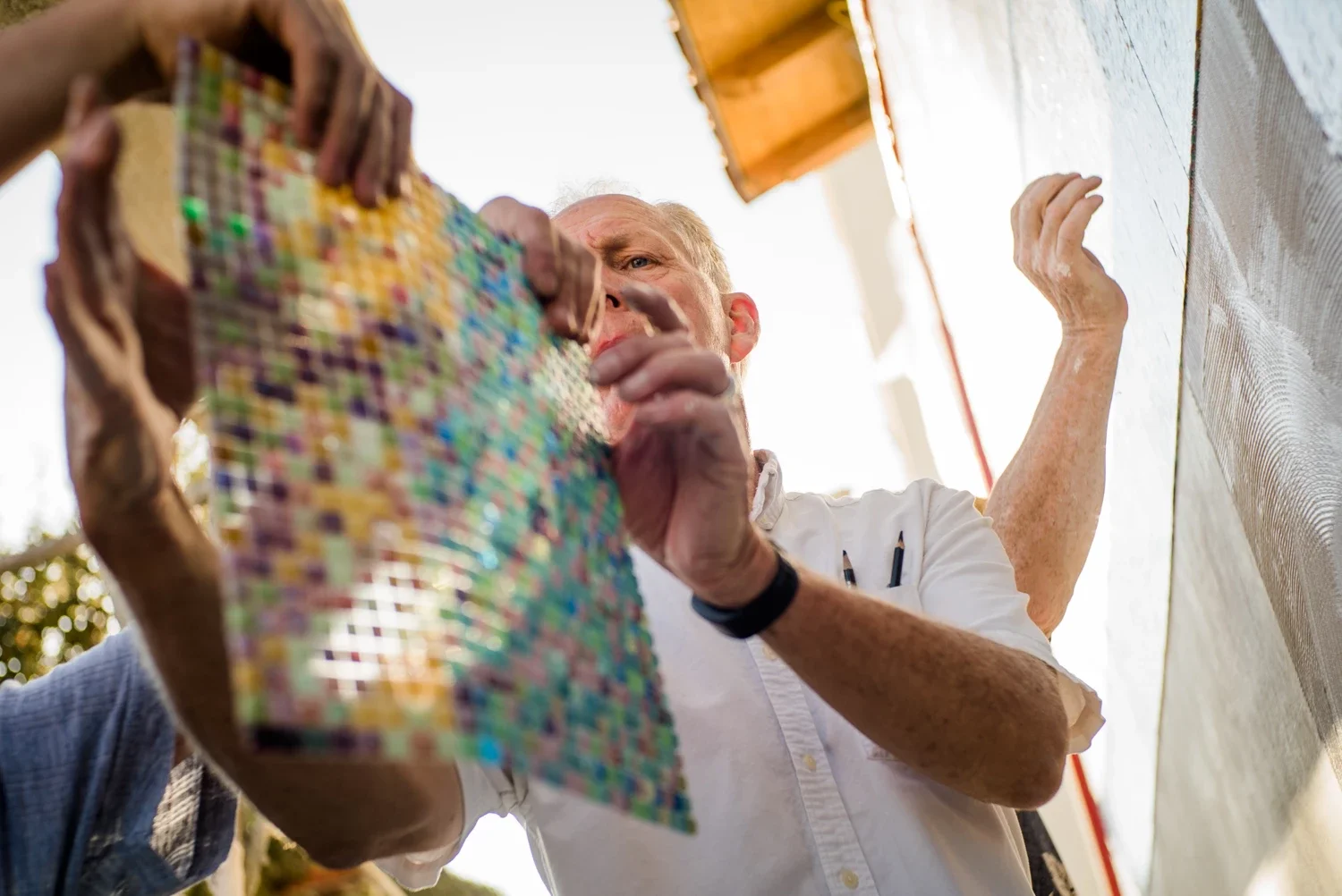
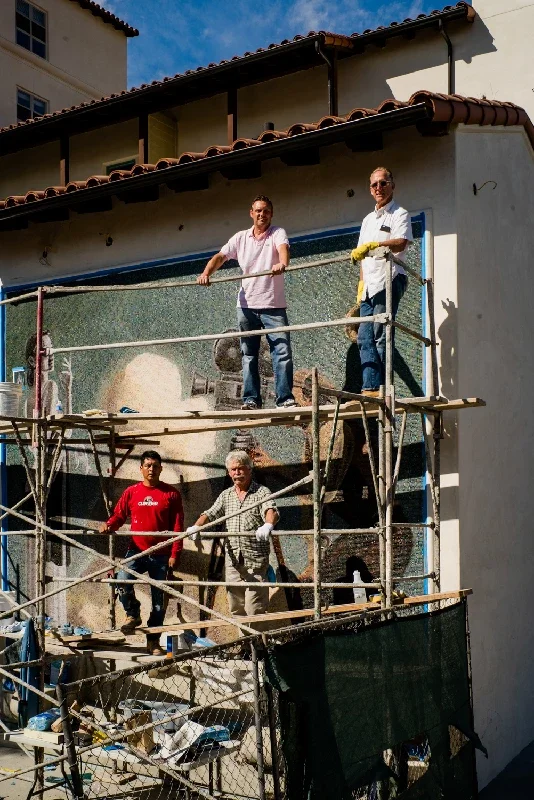
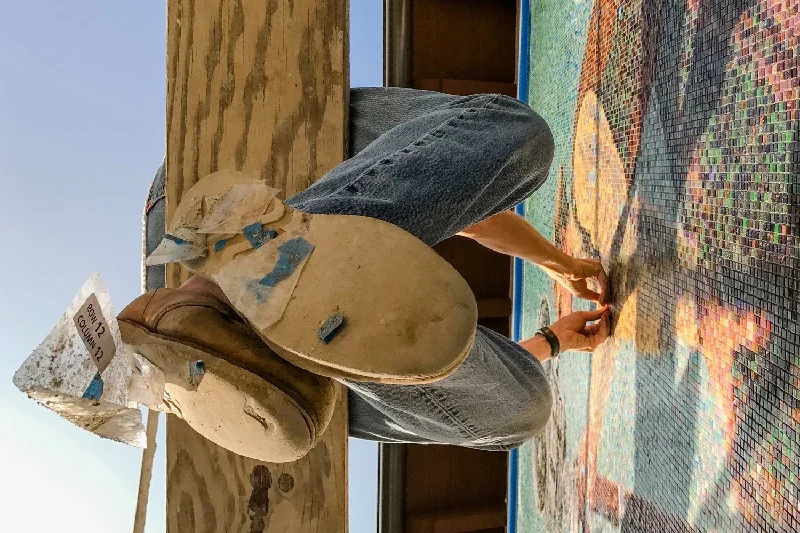
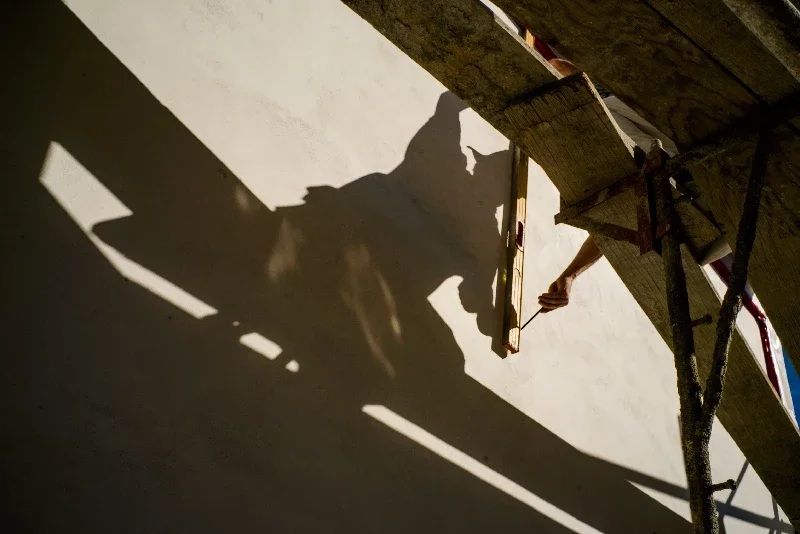
Kenton Nelson and his team in October 2016, during one of his largest mosaic mural installations commemorating the history of The Pasadena Playhouse.
This 5-day installation was documented in photographs and culminated in a short film: Pasadena Playhouse Mosaic Mural.
The documentation process started (sporadically) months before this installation.
This was a full-circle moment - the first time I met Kenton was during his mosaic mural installation in a different part of the town. Read the story in my journal entry of that encounter.
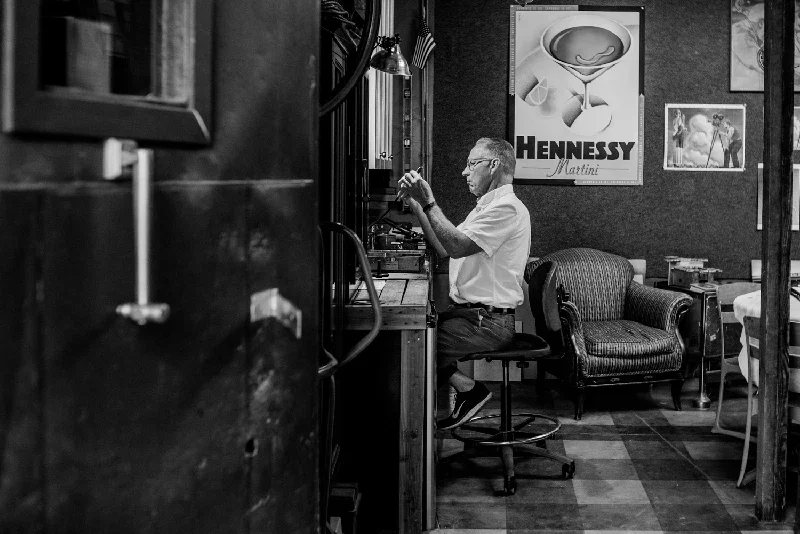
In 2017, Kenton started making Curations, a memorabilia box containing nostalgic items. The mock drawing and design for the Pasadena Playhouse Mosaic Mural were still on the wall behind him in the next picture.
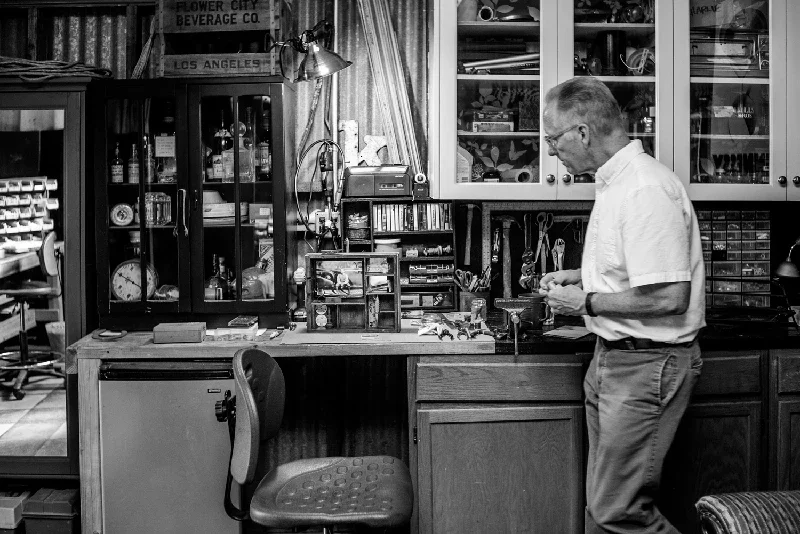
New ideas for stories came within that year - stories that inform the artist’s way that do not require the use of a voice narration. One and two-minute films were made, each telling a very specific story:
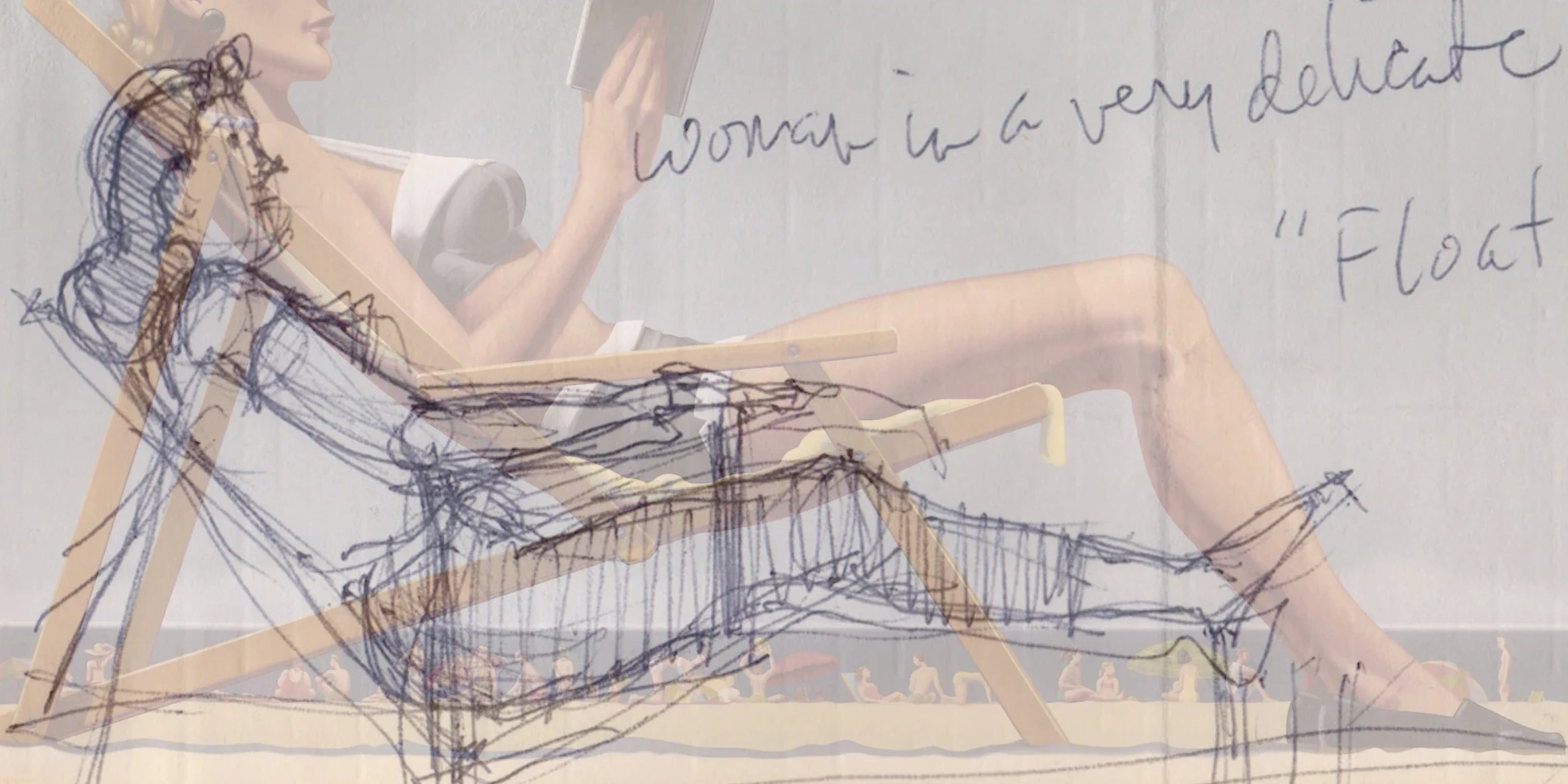
Haunting Ideas, 2017
Fleeting ideas needed to be captured on the go, wherever he is. His archives of scribbles on paper napkins, restaurant paper placemats, bills, and plane itinerary placed in the eventual painted artworks.
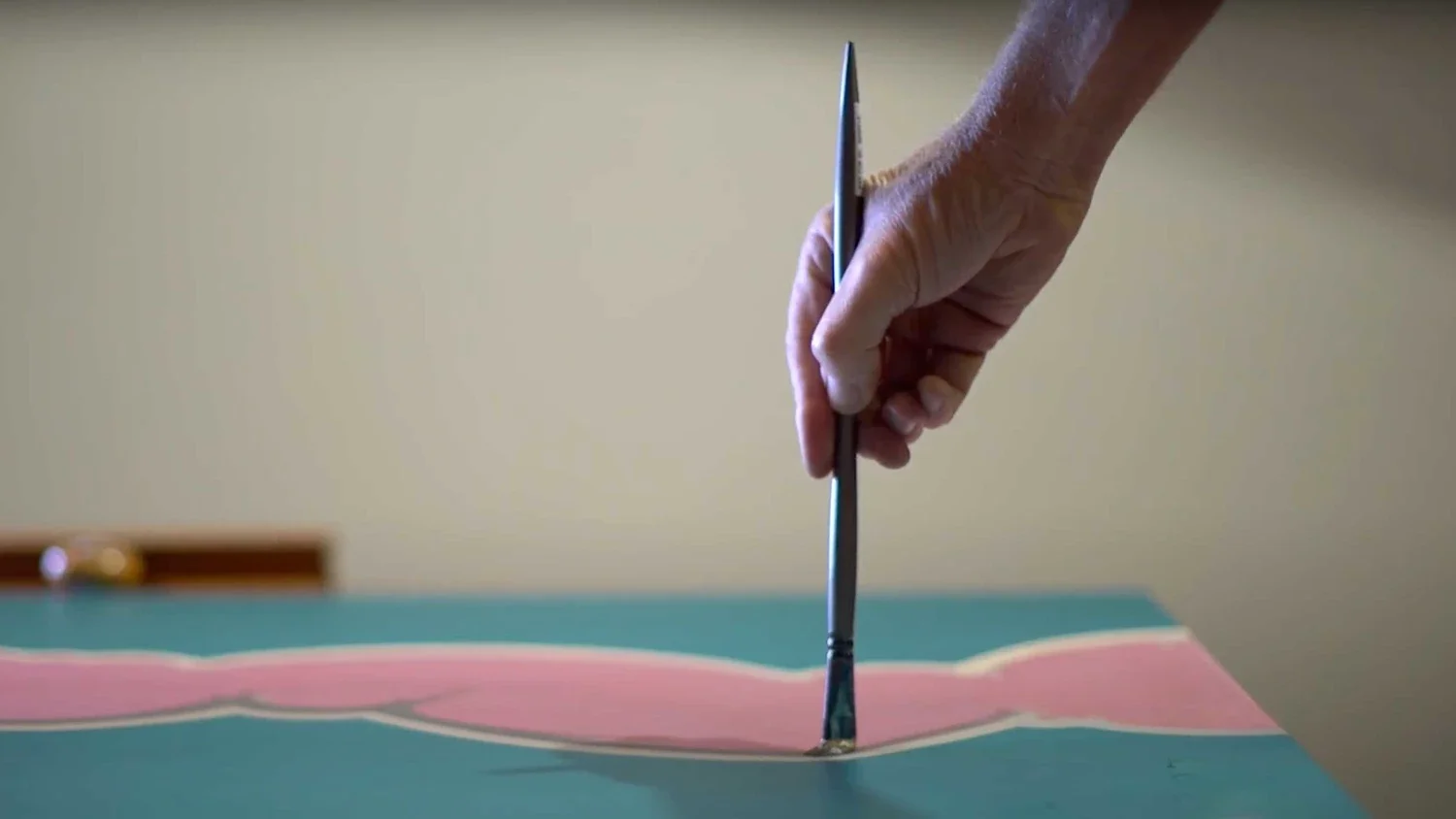
Craft, 2017
Already an accomplished painter at the age of 60, he still goes to drawing classes and continues to pursue perfection in his craft. I see it in the way he paints. The beauty of the practice, realized through the strokes of the brush.

Kenton’s exhibition, Water, 2018.
The two-day exhibition opening was documented in photographs and as a short film: Water Exhibition.

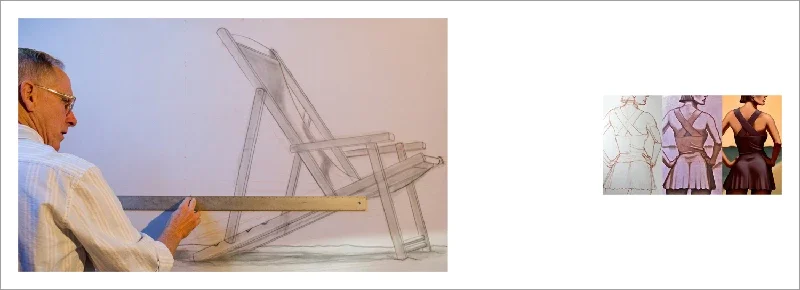
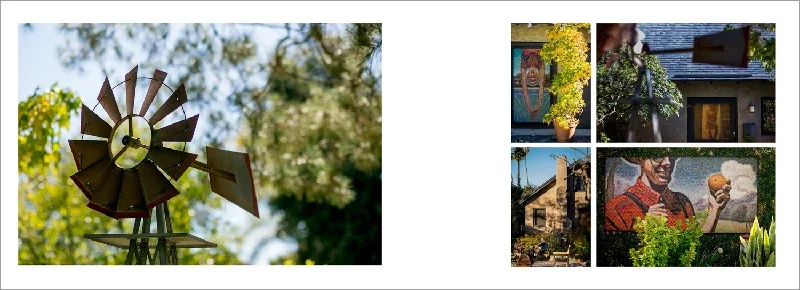
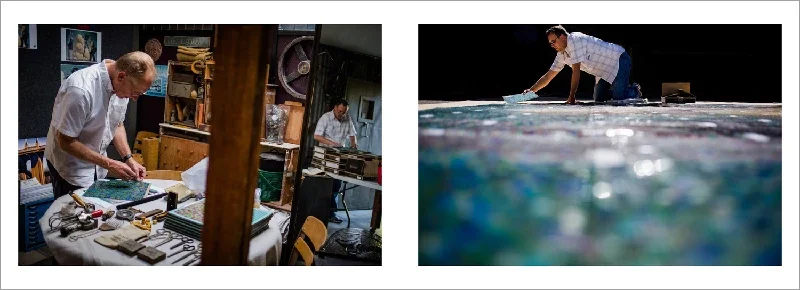
In 2018, we collaborated to make a book called Documentary: Working On Art, which contains images of him working on paintings, curations, and the mosaic mural. This book compiles the documentary photography from the last 4 years.
In the following years, the documentation focuses on stories in the form of short films:
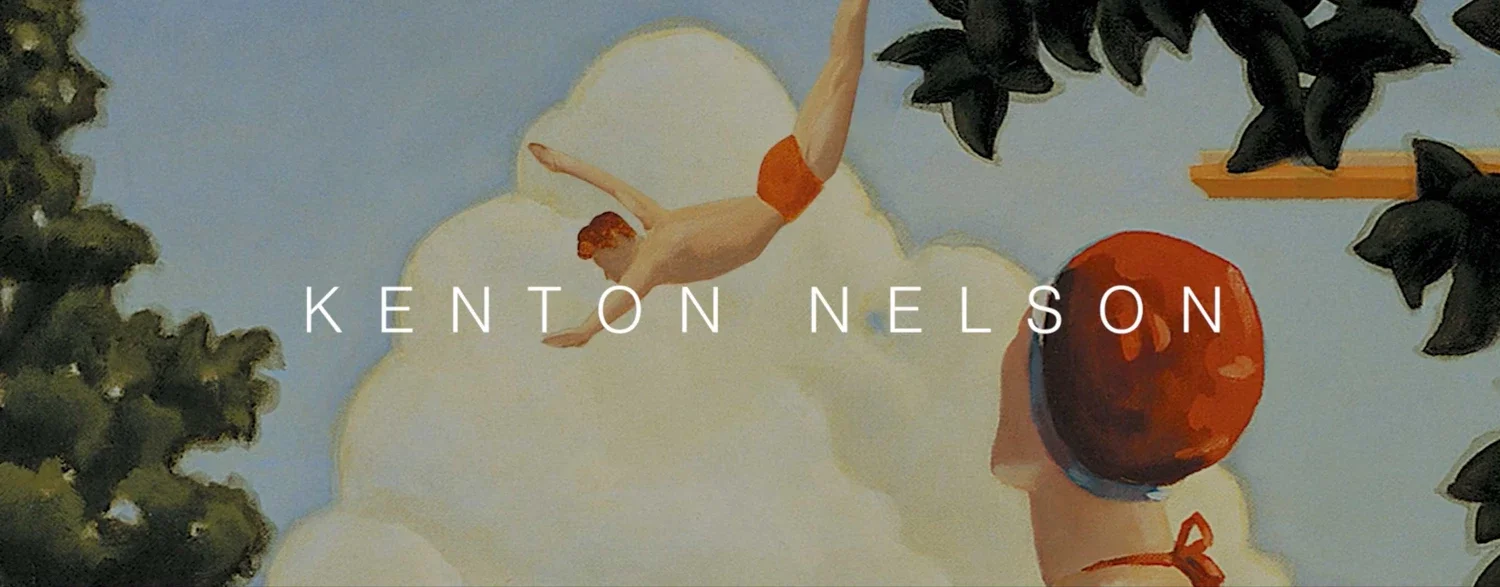
Reimagination, 2019
The stories that Kenton paints throughout his life were used to tell his story, specifically about the changing times that made him choose to start painting at the age of 40.
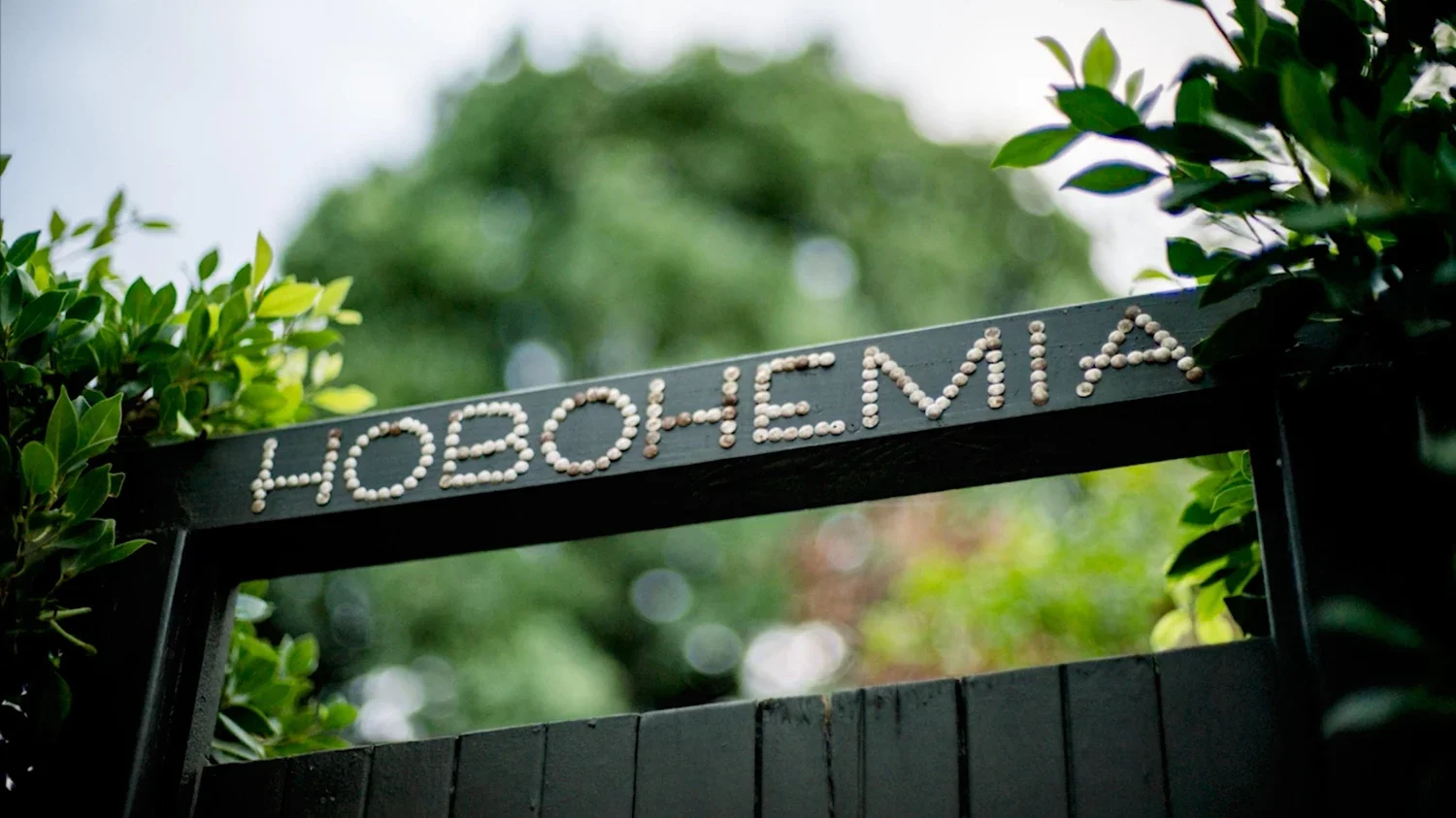
Morton Court, 2019
Upon entering the road on which Kenton’s Pasadena studio is located, you feel you are entering a different time. This documentation is about the serene and well-kept historic place with 100-year-plus-old cottages, preserved.
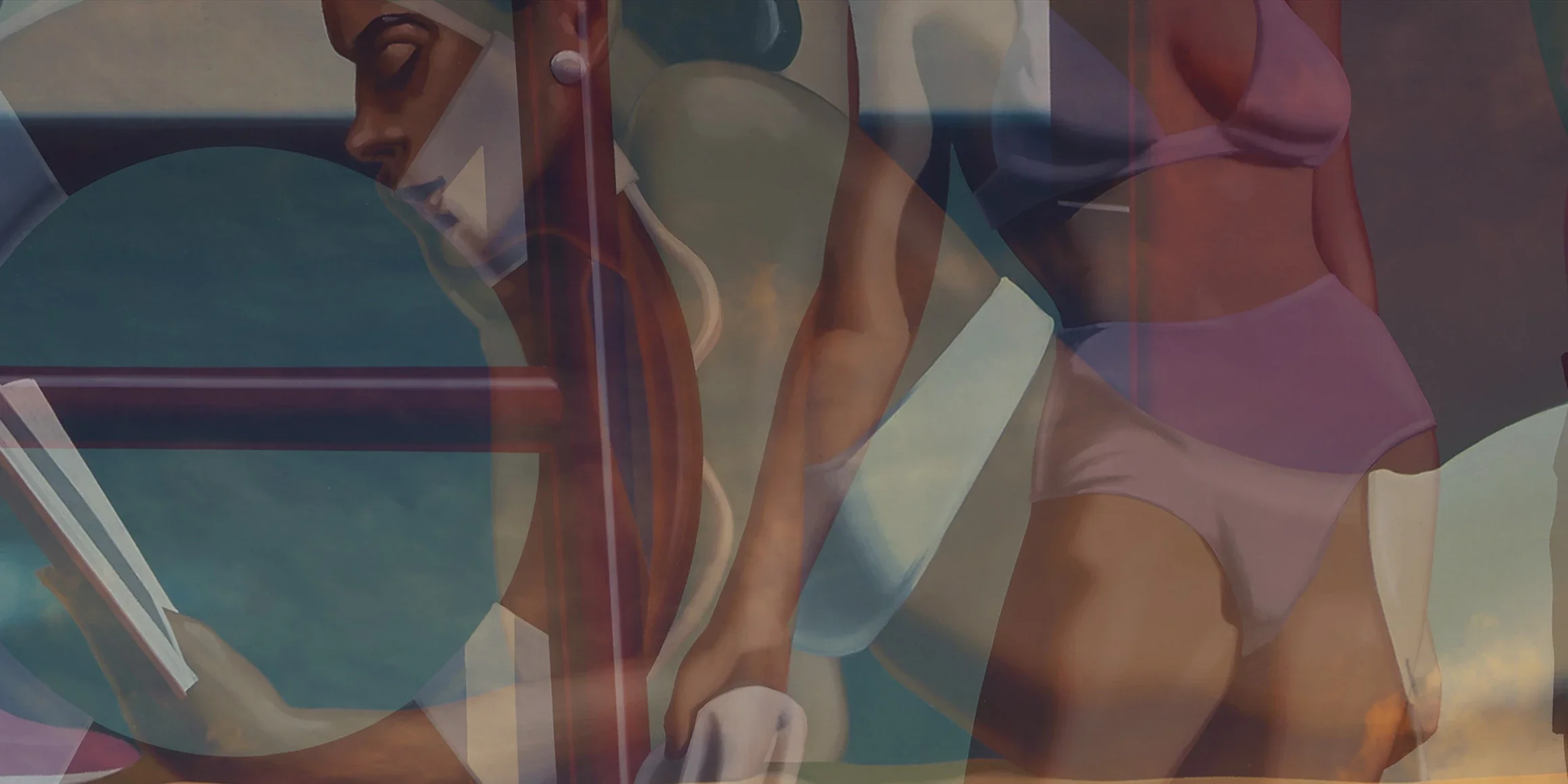
Kenton Nelson: Water, 2020, released 2023
A visual documentary without commentary, diving into the past that informs Kenton’s biggest influences in his work, including the California light, his great-uncle, Mexican Muralist Roberto Montenegro, his childhood, and his parents.

Water Movement 1, 2021
An instrumental music video by the composer and marimba musician Michael Charles Smith, inspired by the works of Kenton Nelson, shown online as part of the Portland Columbia Symphony Orchestra's online Marimba Concerto on March 26, 2021.
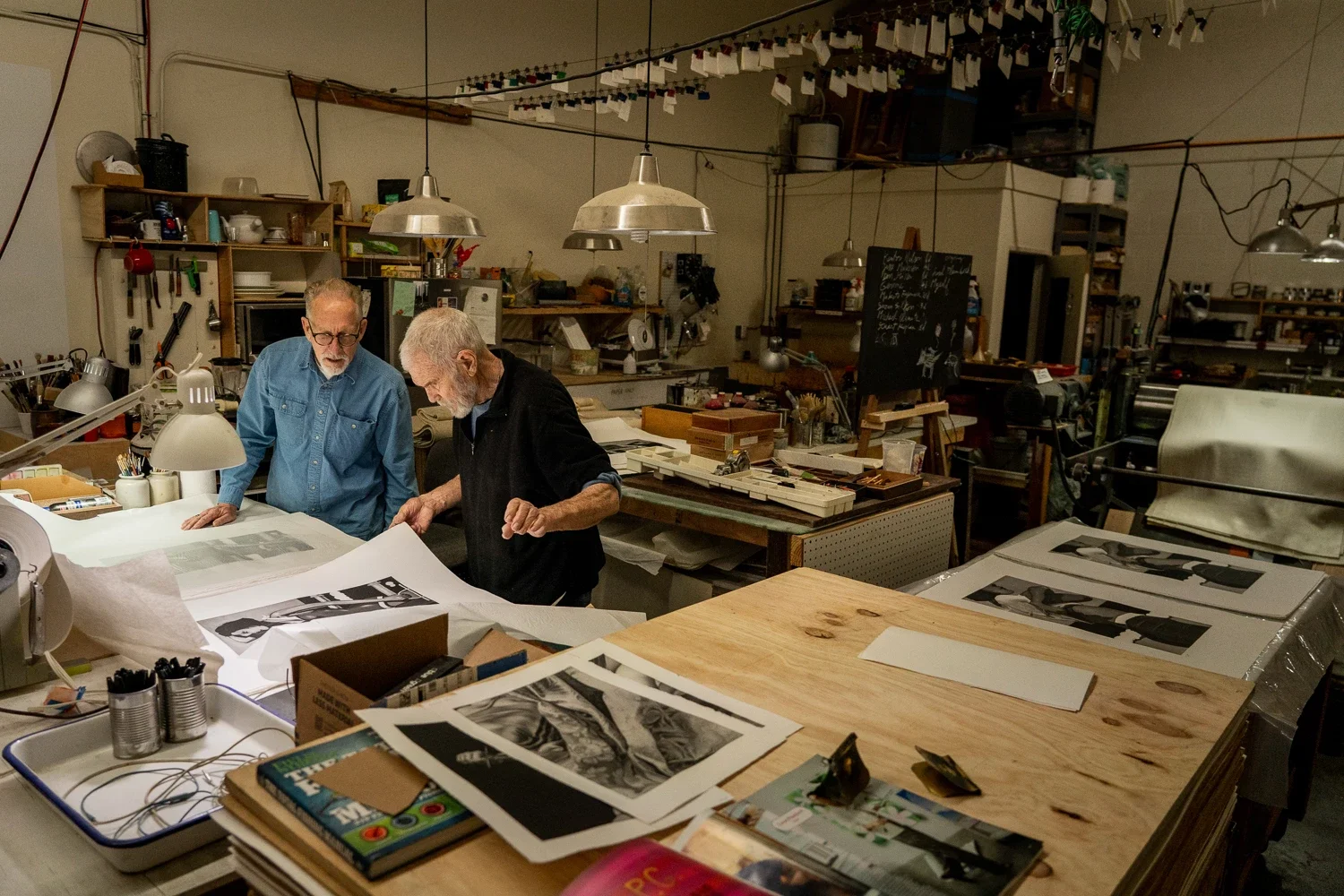
Moulin du Gue, 2024
Kenton working on a project with Master Printer Pascal Giraudon. This one meeting was so full of great fun stories about art and the more philosophical perspectives of life. Currently not yet released.
These photographs and films have been used in many different forms and uses:
Personal archive,
Documentation of a series of work,
Content for website and social media,
Promotion of new work,
Visual storytelling tool for interviews such as in newspapers or magazines, online or printed,
Exhibition catalogs,
Exhibition openings (for films),
Self-published books, and many more.
OTHER SELECTED ARTIST DOCUMENTATION
DAVID BUCKINGHAM
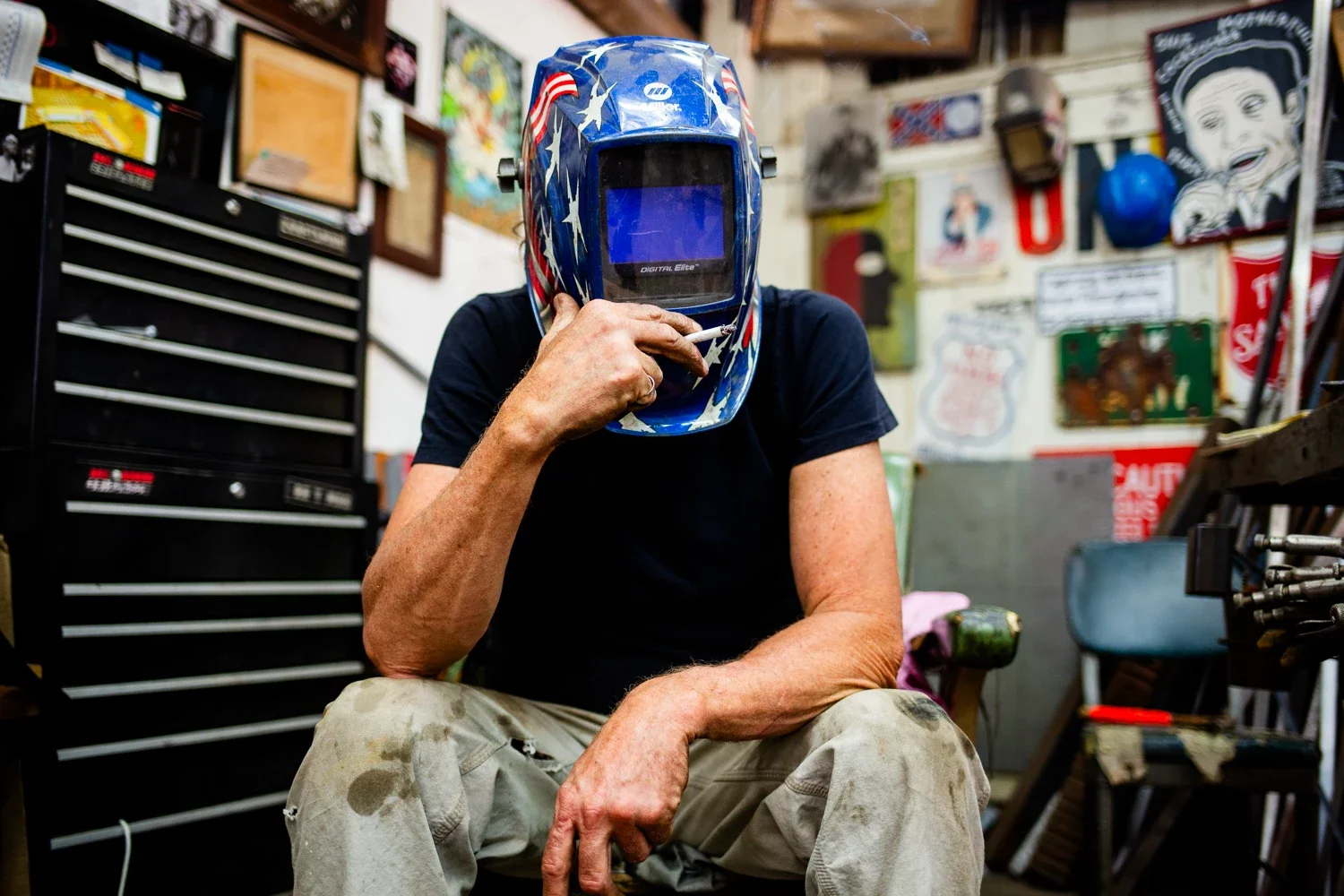
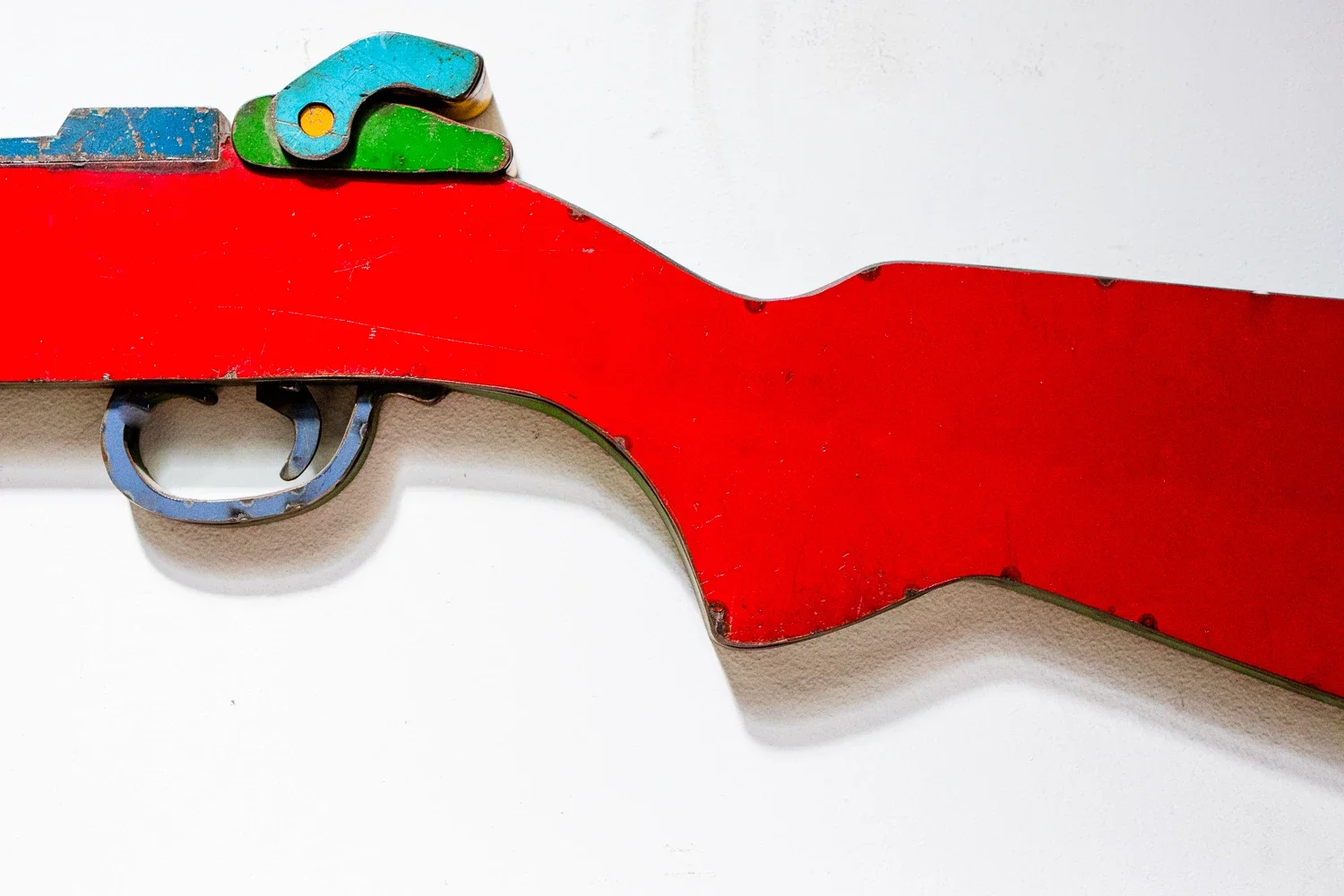
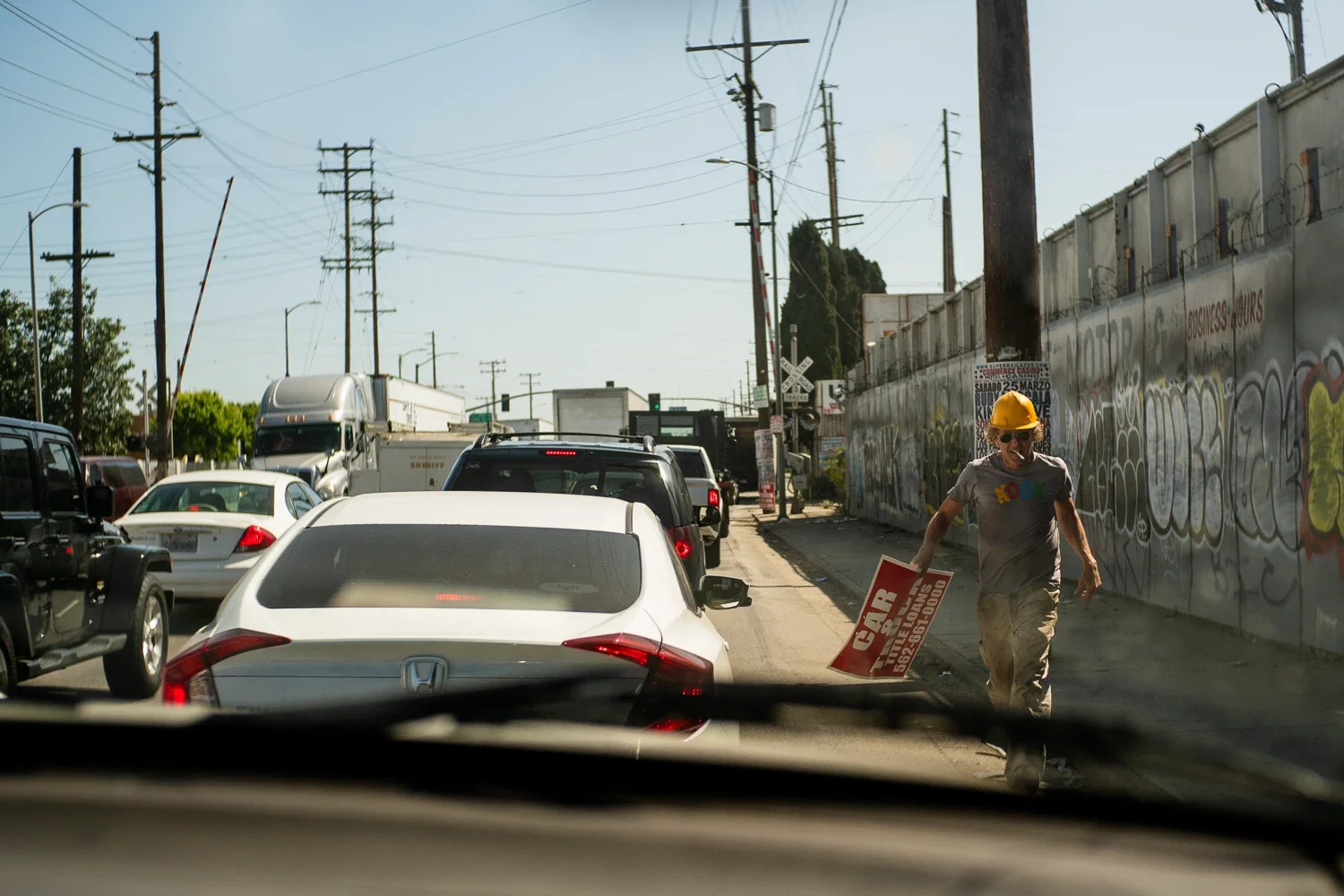
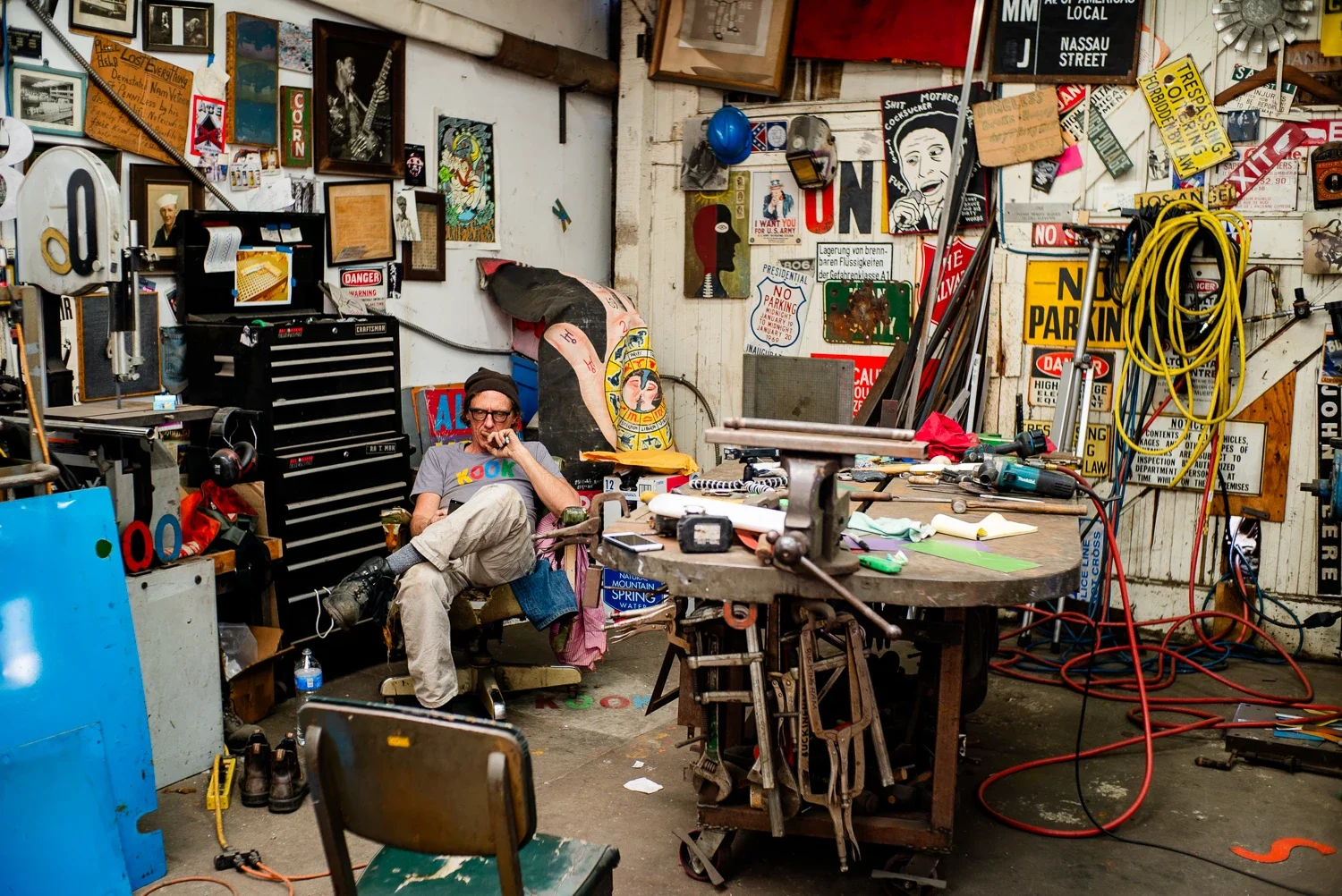
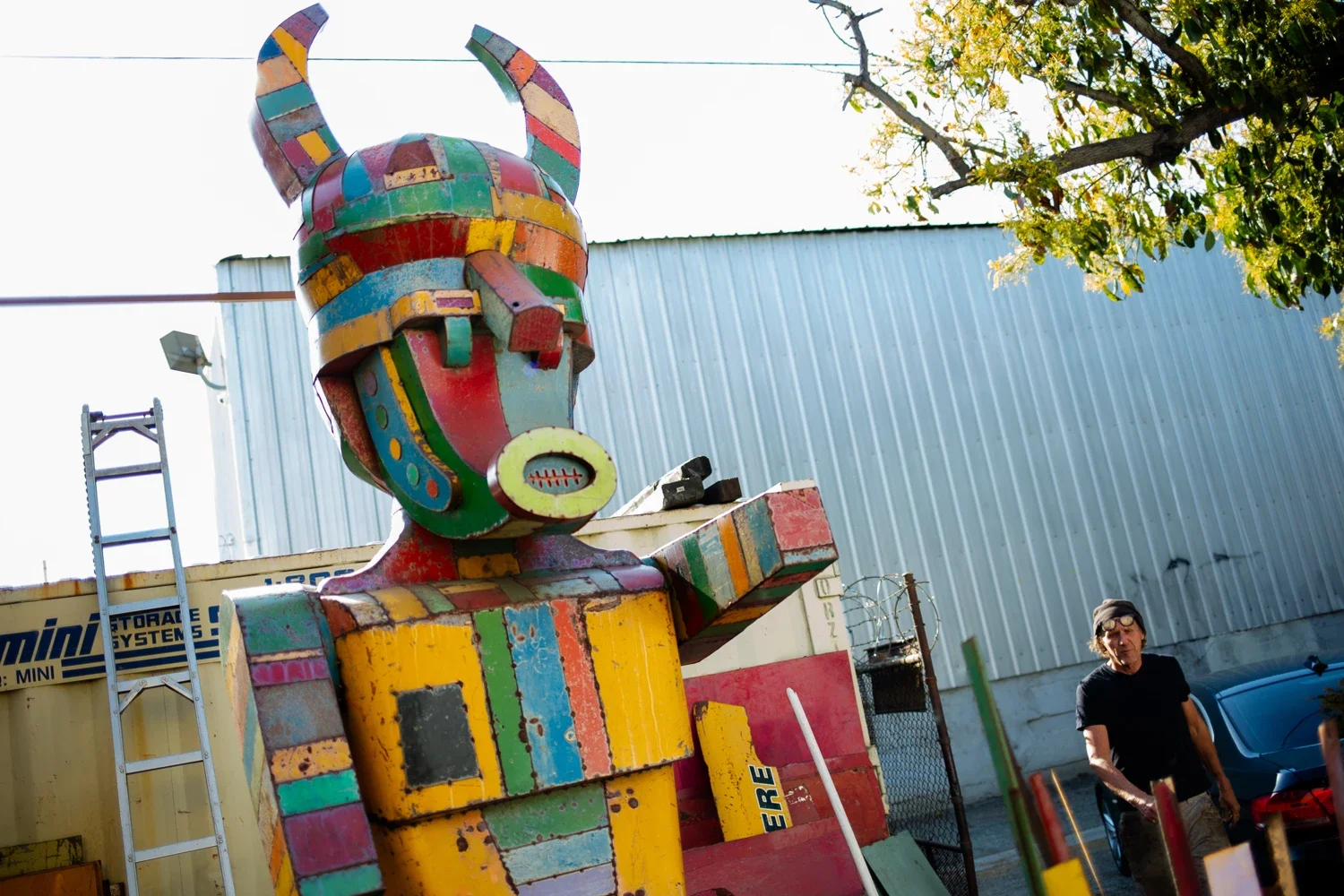
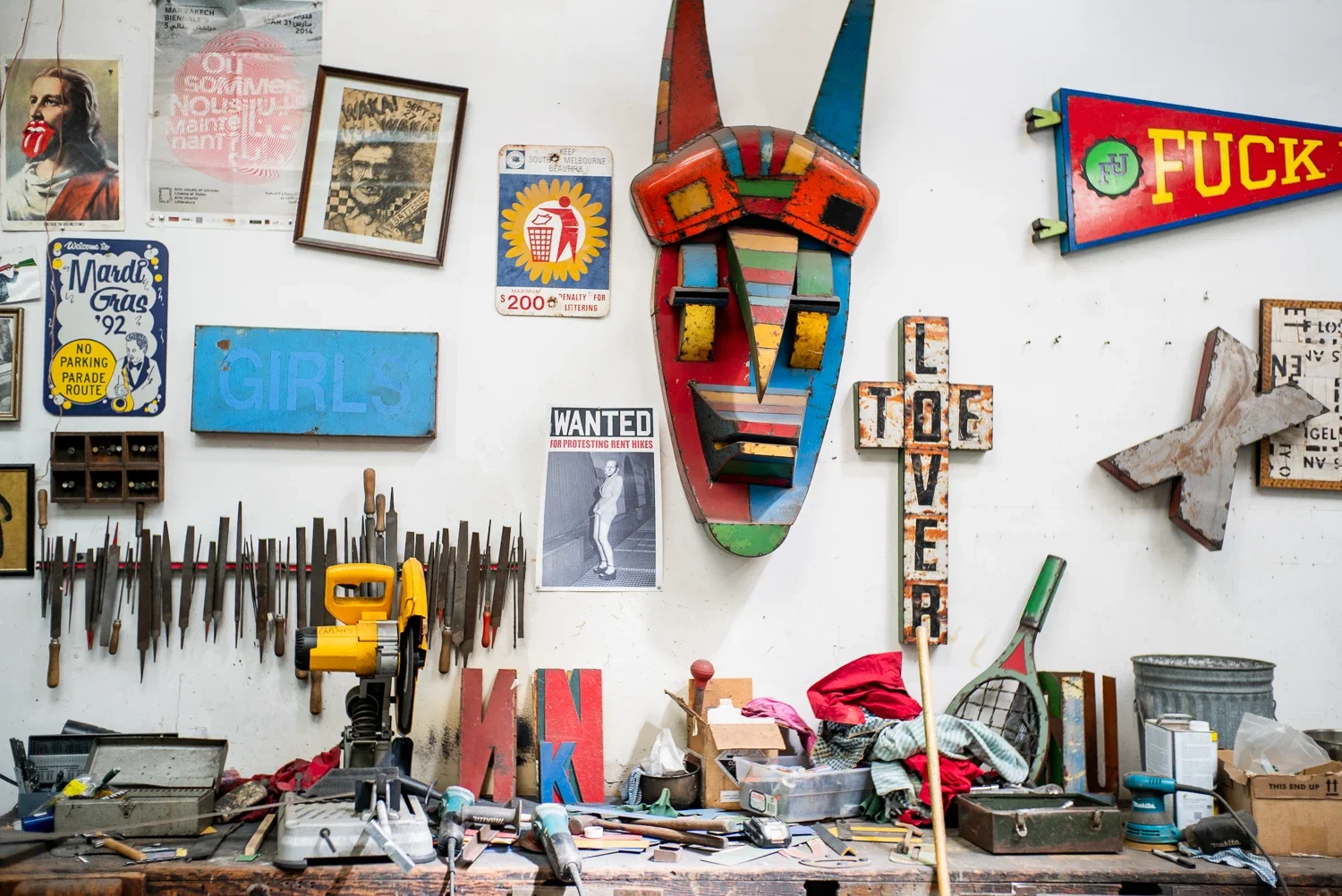
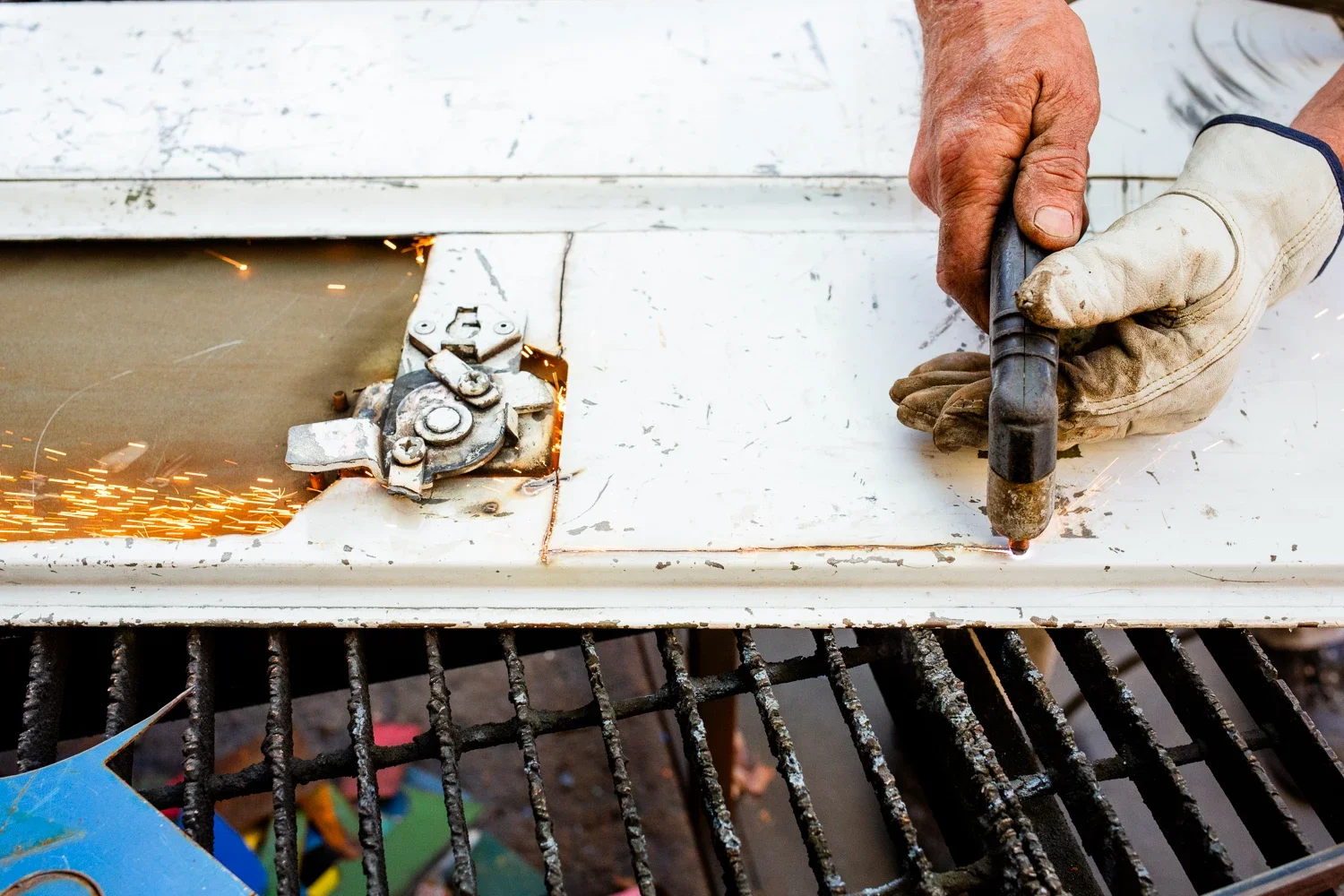
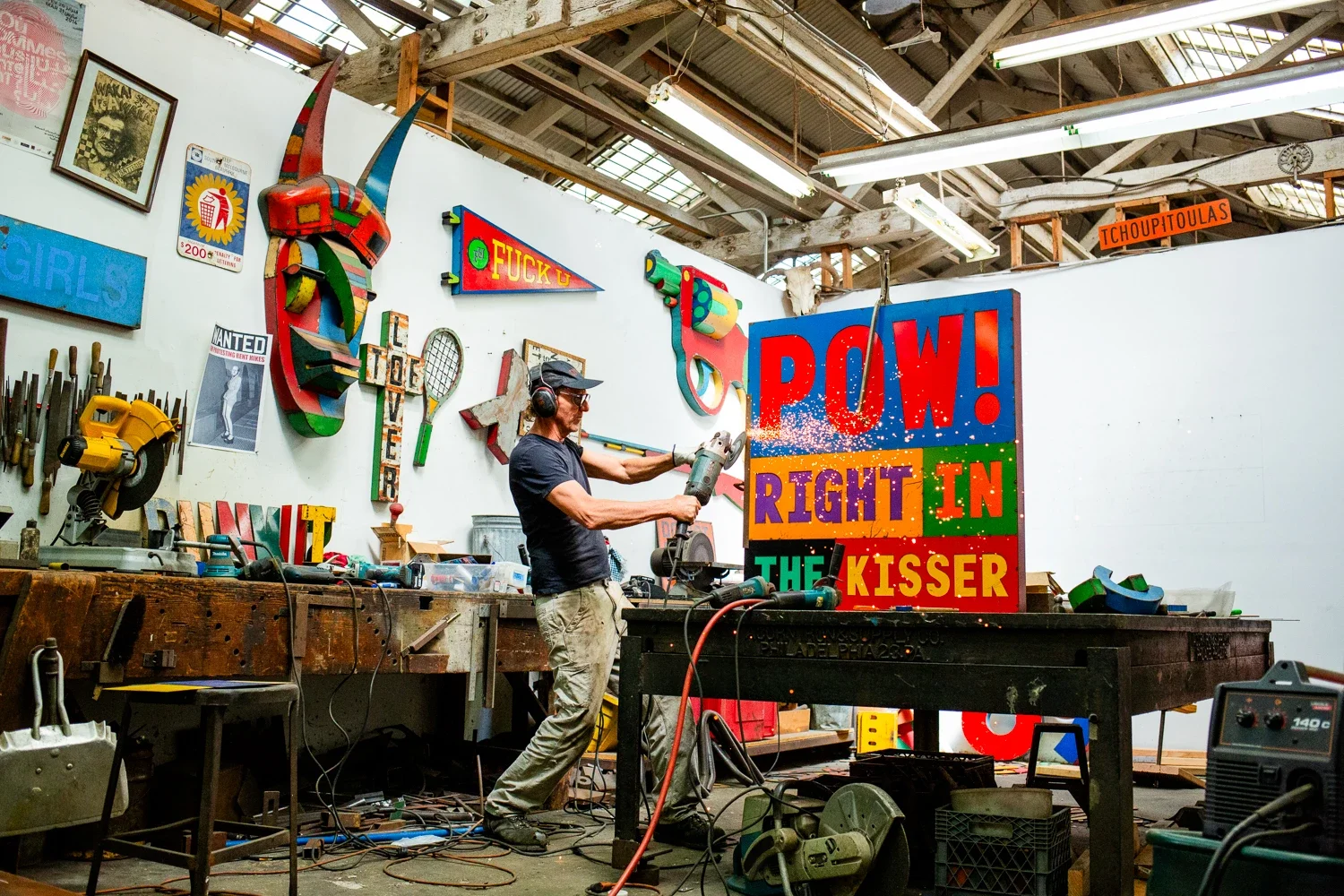
David Buckingham works exclusively in found metal — scrap machinery, old road signs, weathered agricultural equipment sourced initially from the California desert. Nothing is repainted. Every color and surface texture in his sculptures is original to the material as found. His studio in Downtown Los Angeles was itself part of the story: the raw material, the work in progress, and the finished pieces all occupying the same space, as if he was reworking his past into a new beautiful form.
RAY TURNER
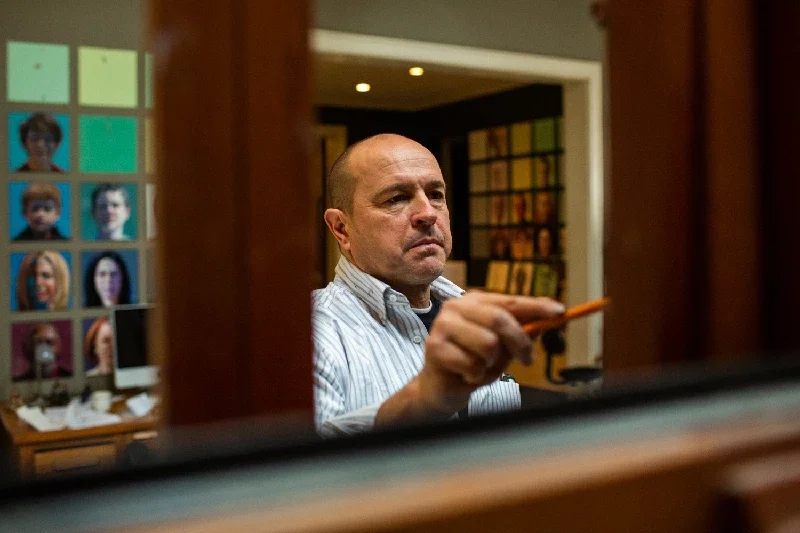
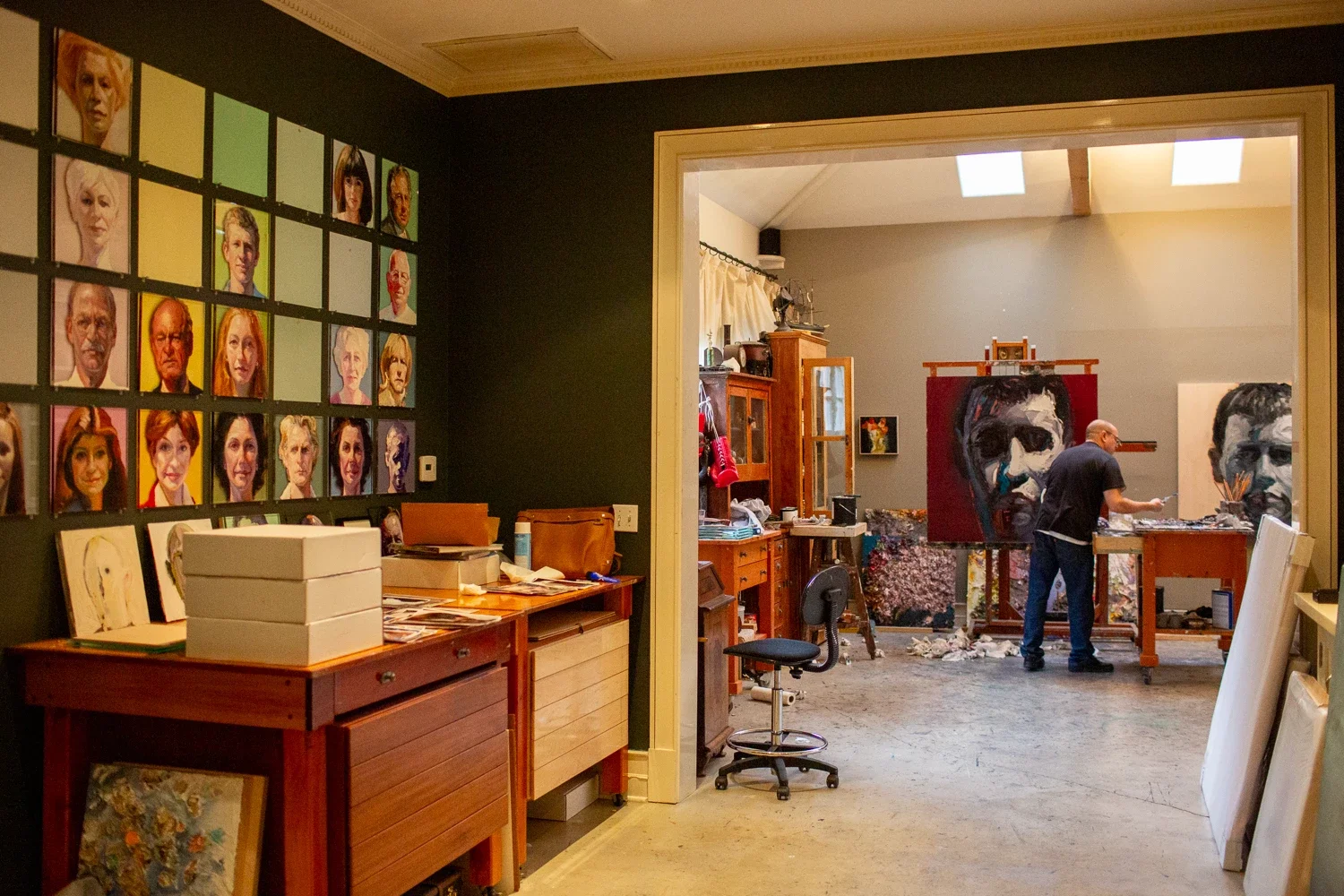
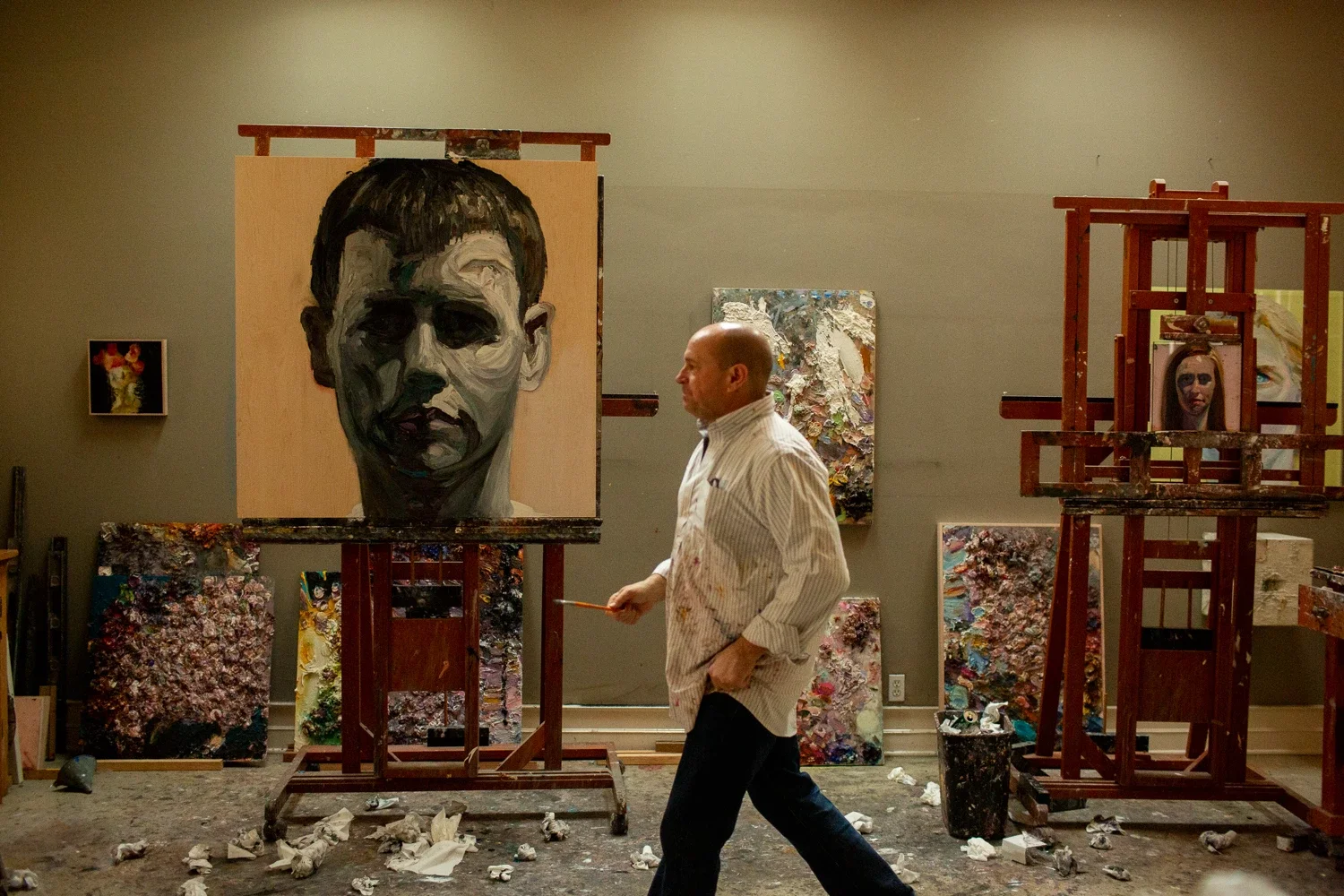
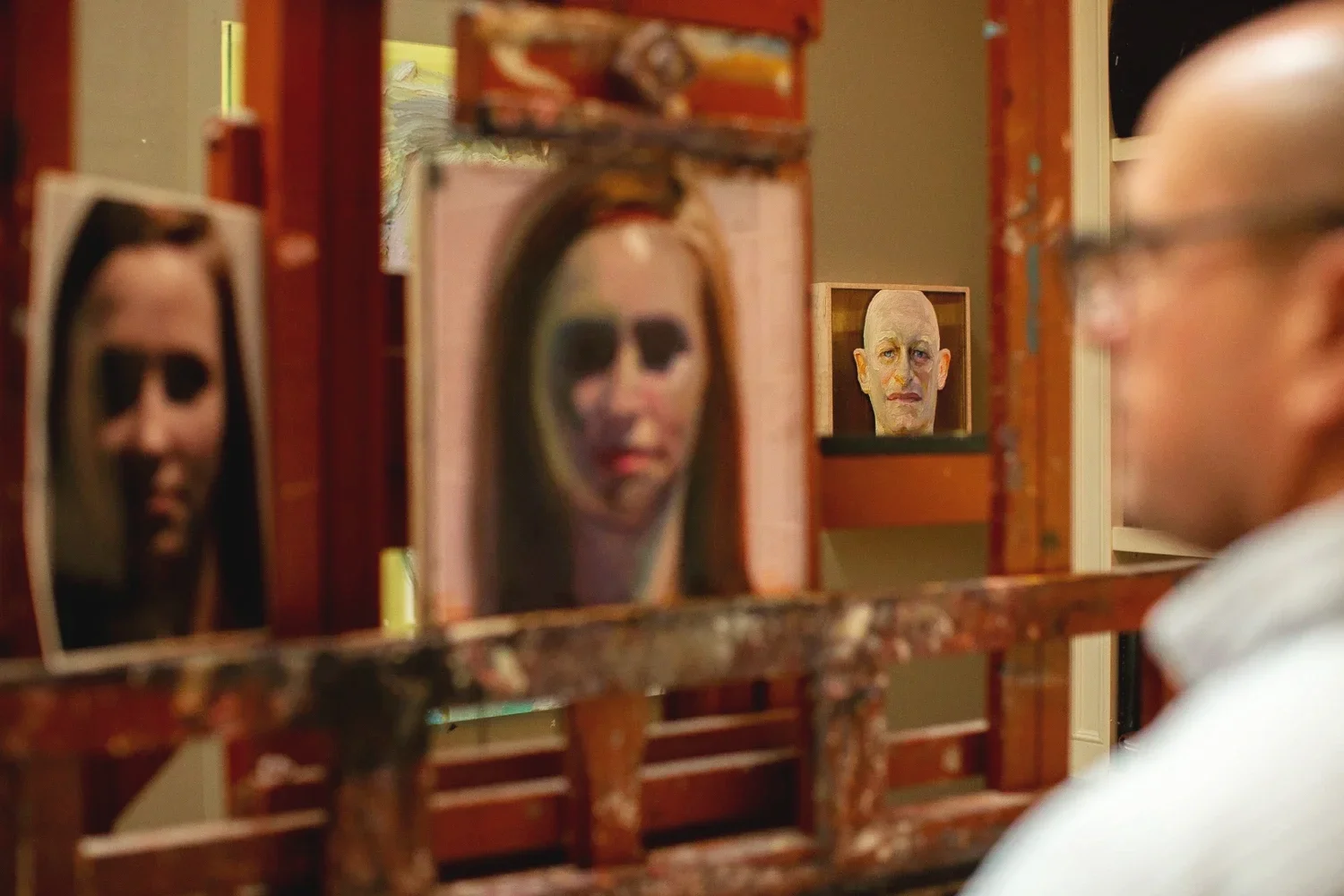
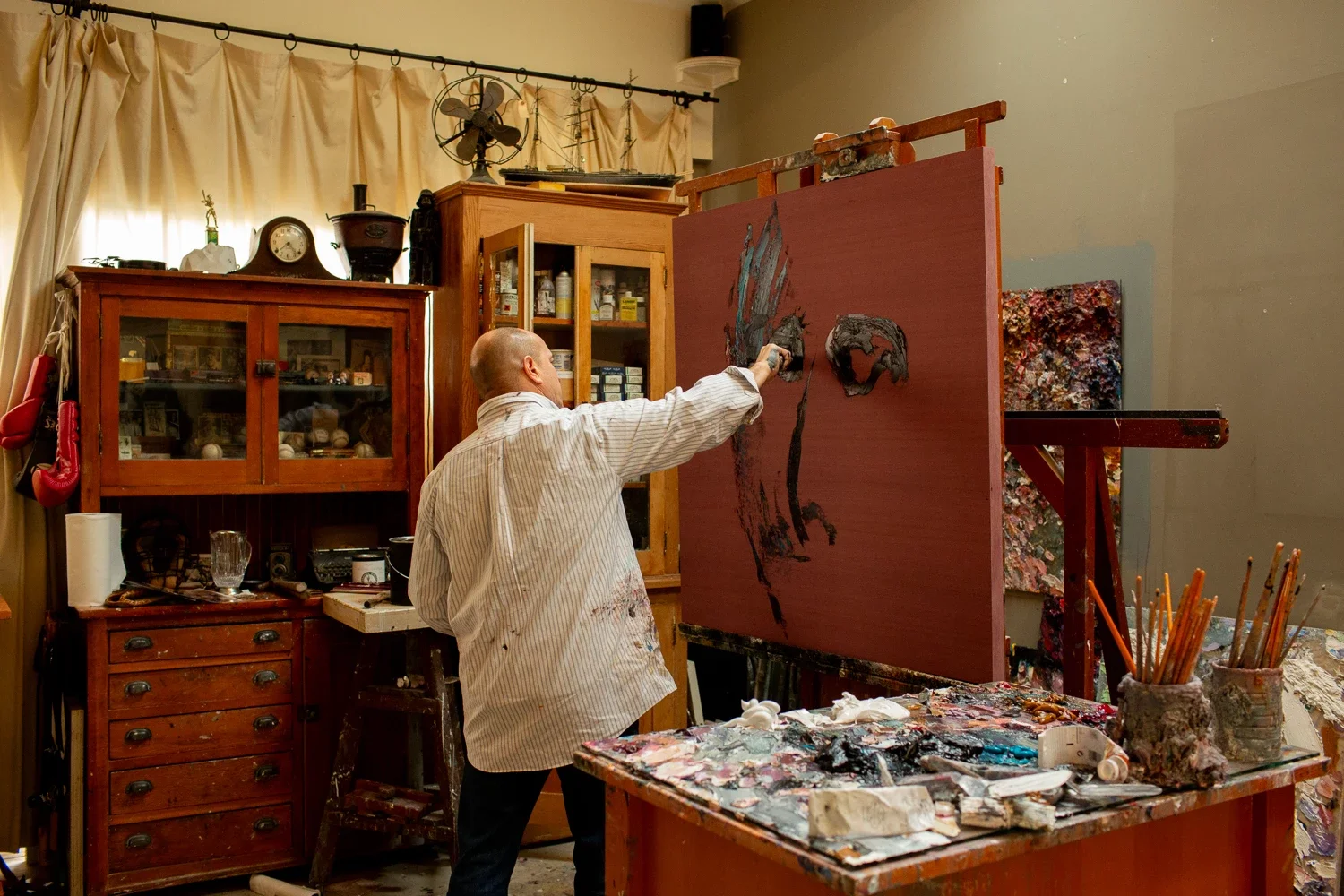
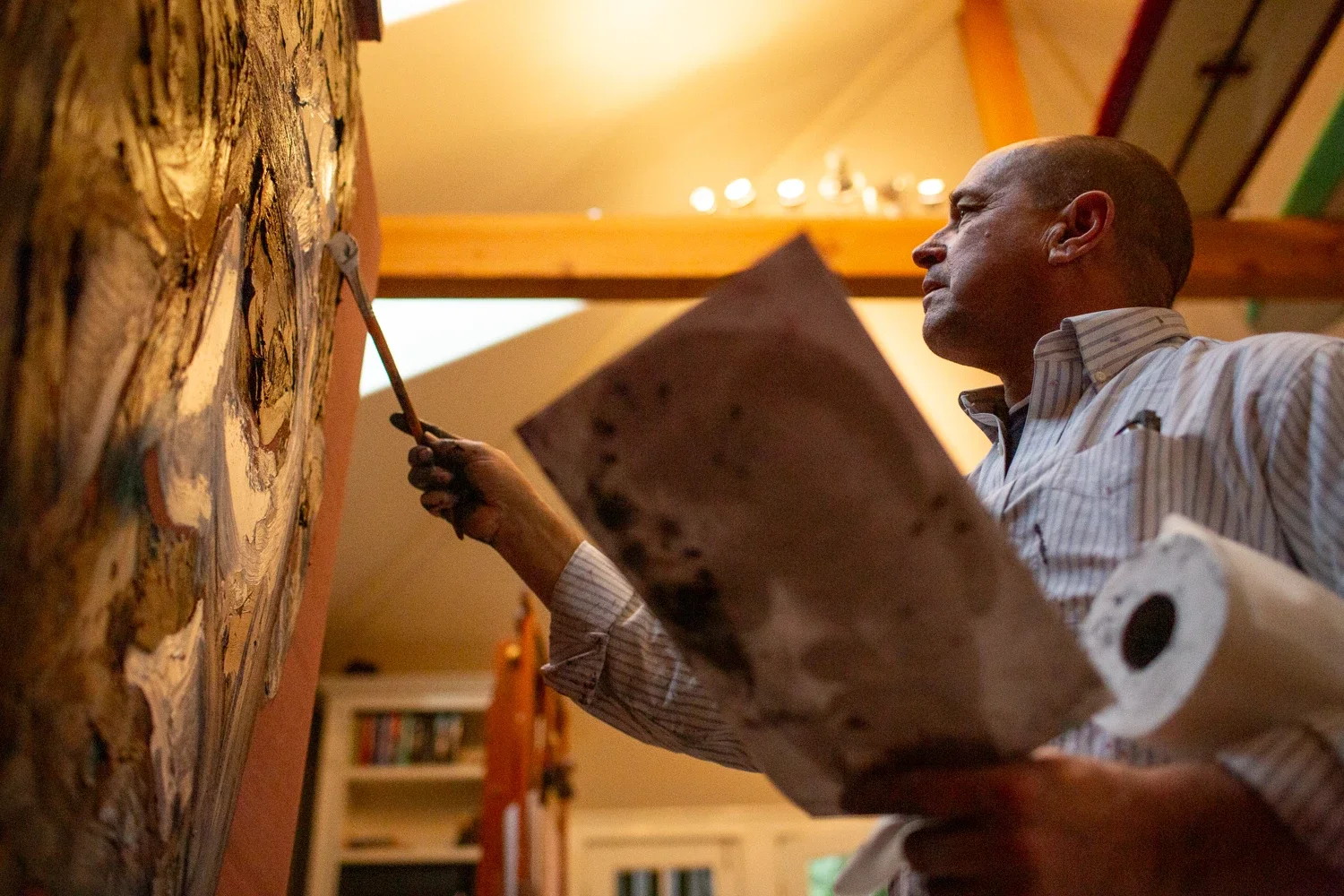
Ray Turner's Population series - hundreds of oil-on-glass portrait paintings, each 12 by 12 inches - was already years in progress when this documentation was made in 2013 at his studio in Pasadena, California. At this point in the work, Turner was painting figures as a way of thinking through humanity as a theme, building the series portrait by portrait across communities in the United States.
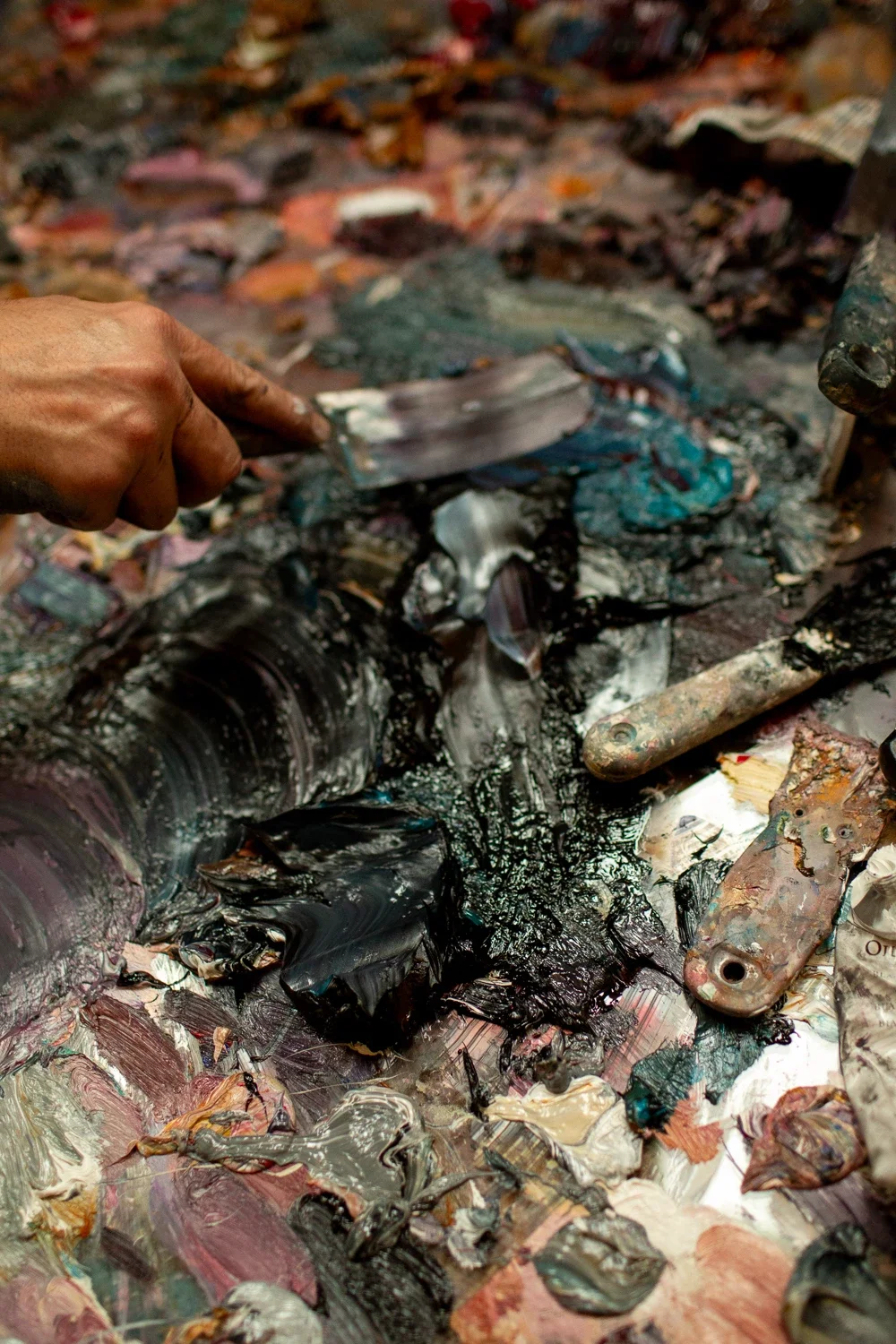
Ray uses a lot of paint in his work, so much that the floor is covered with sticky paint, making suction noises whenever someone walks on it.
ANTON ISMAEL
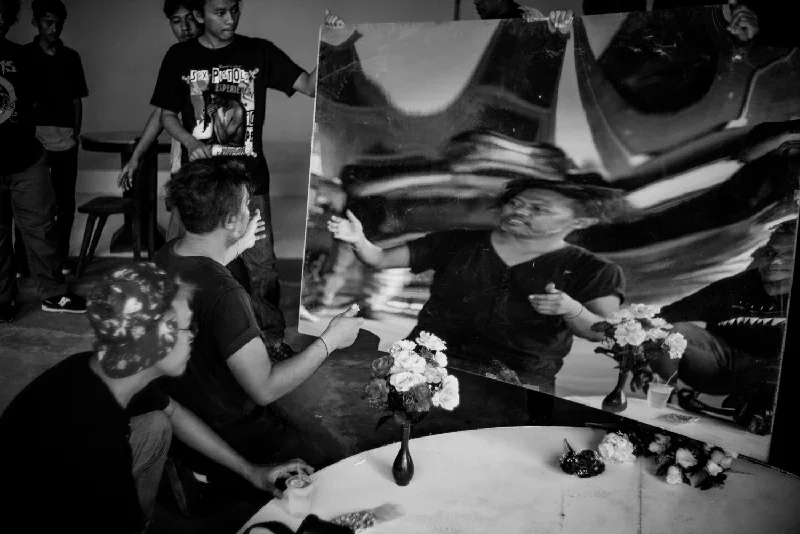
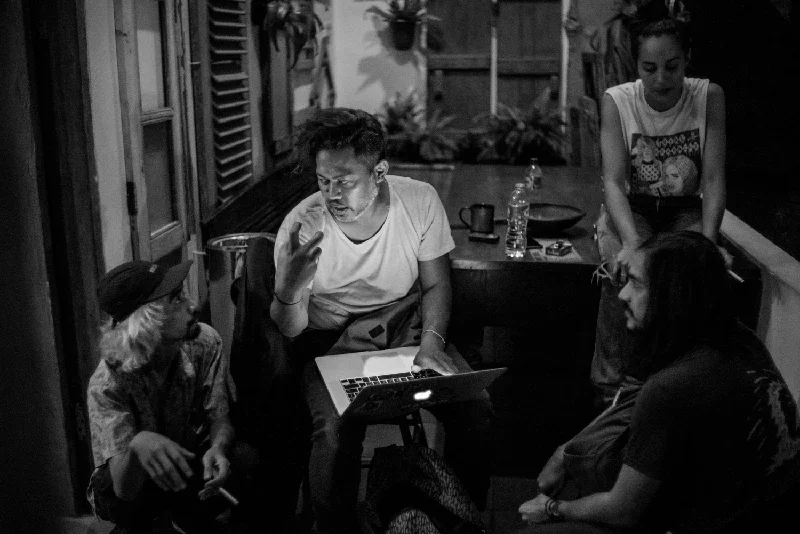
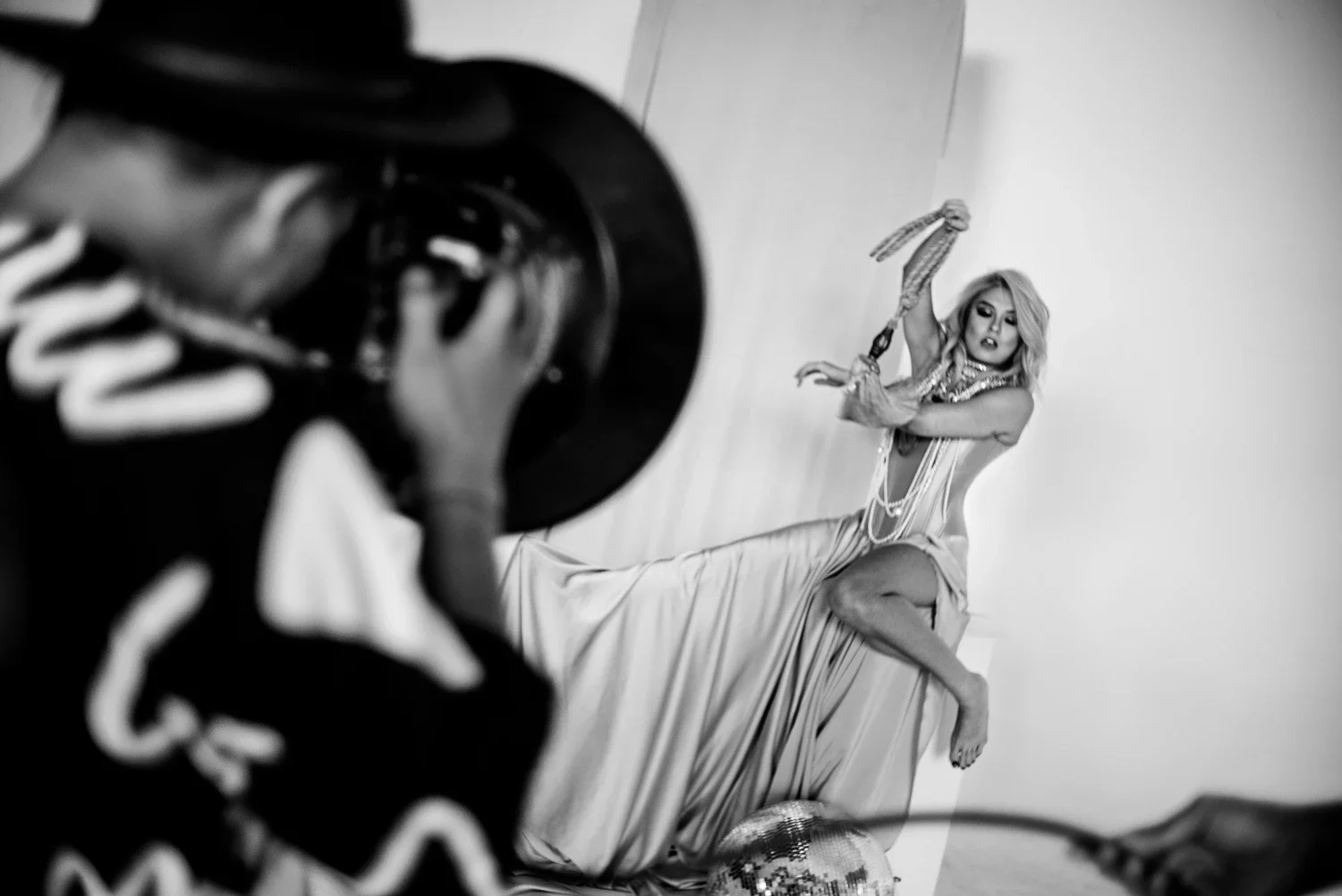
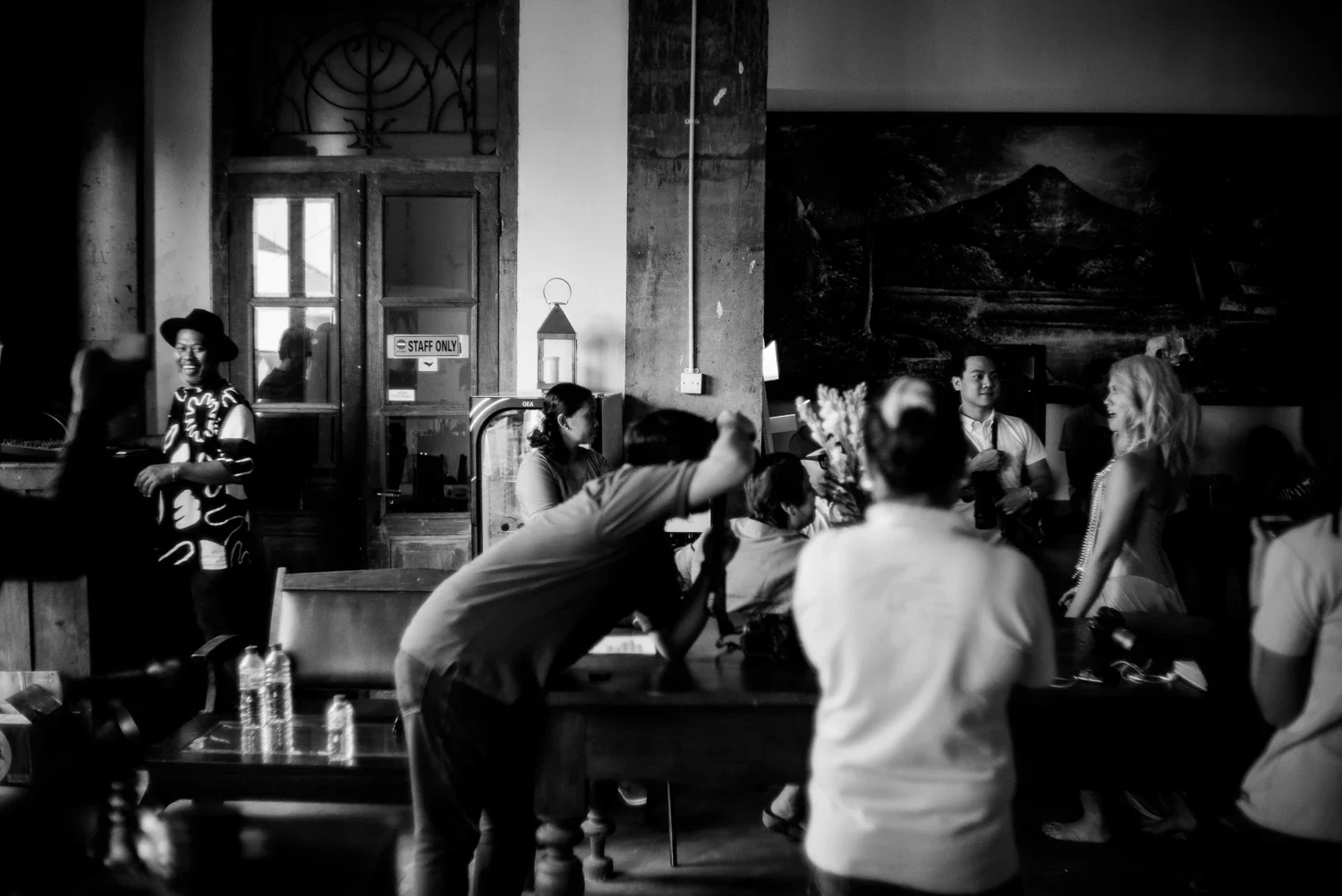
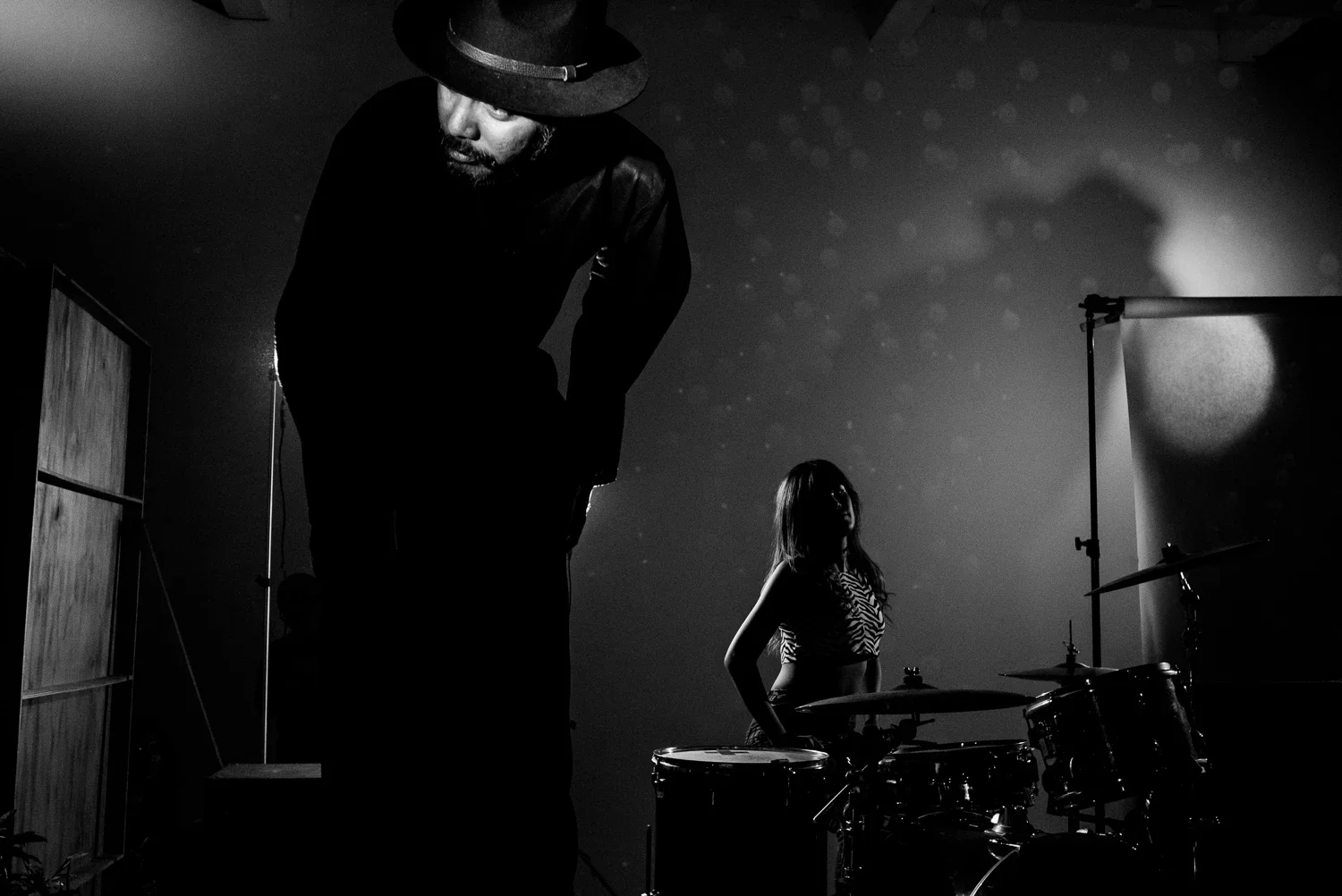
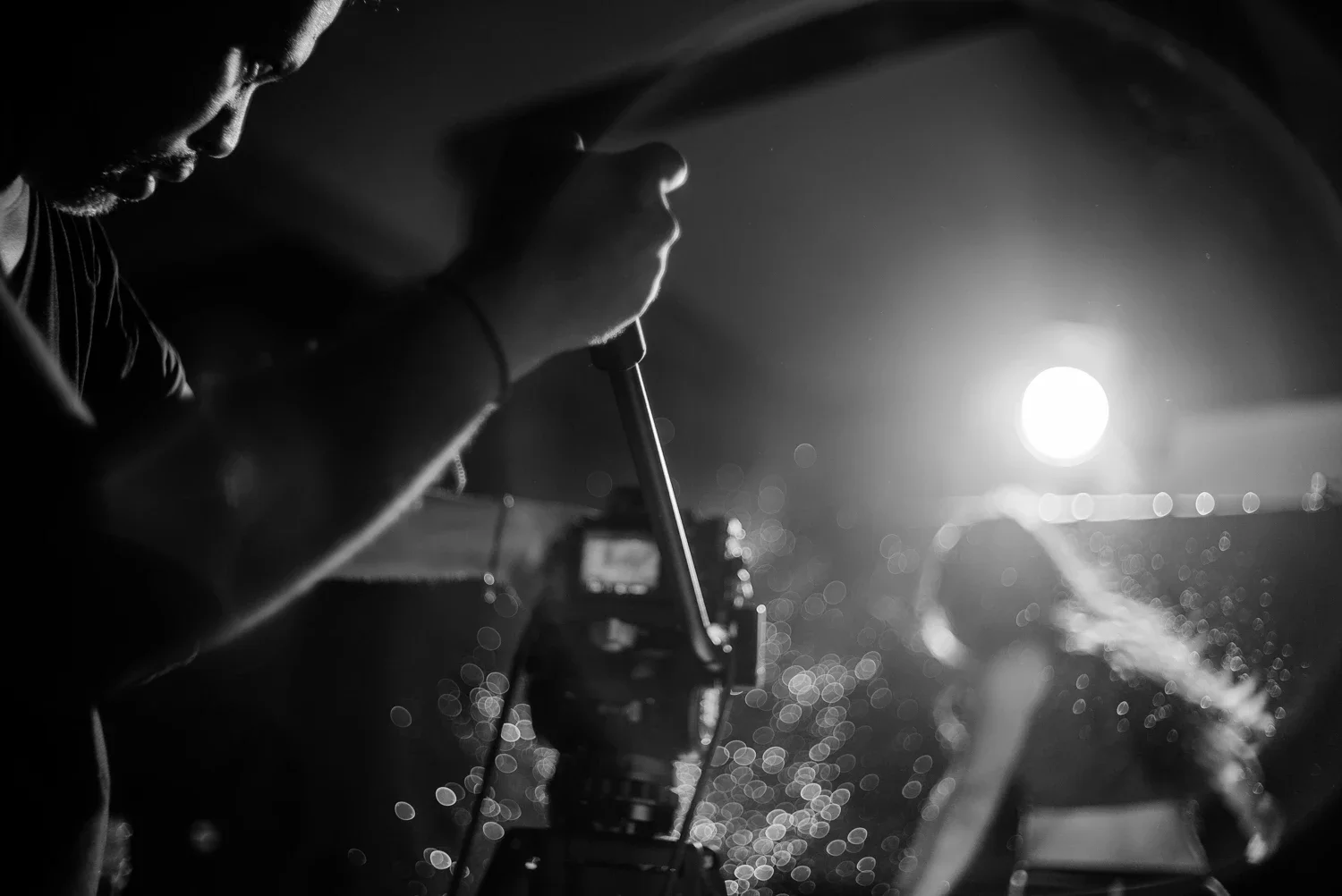
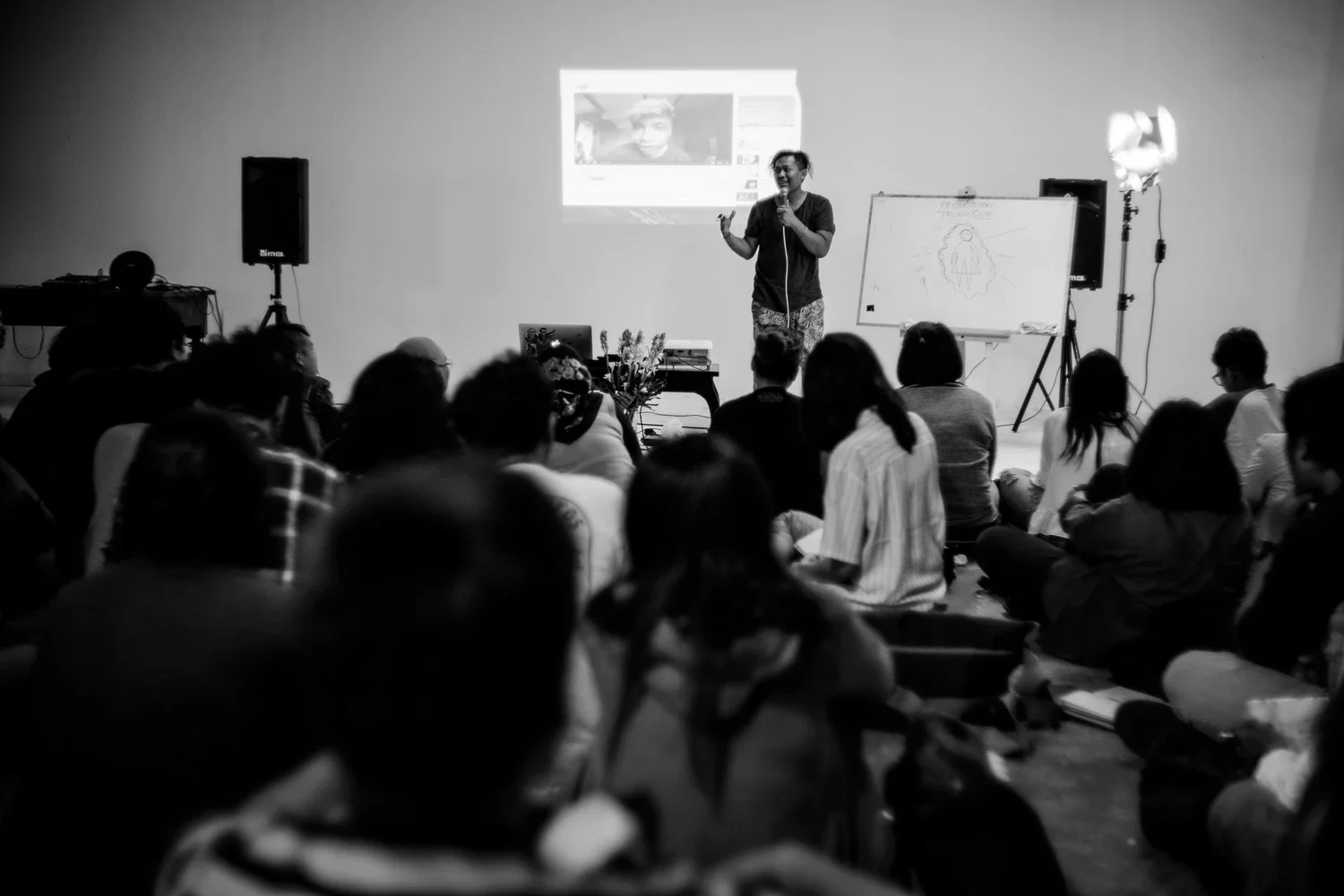
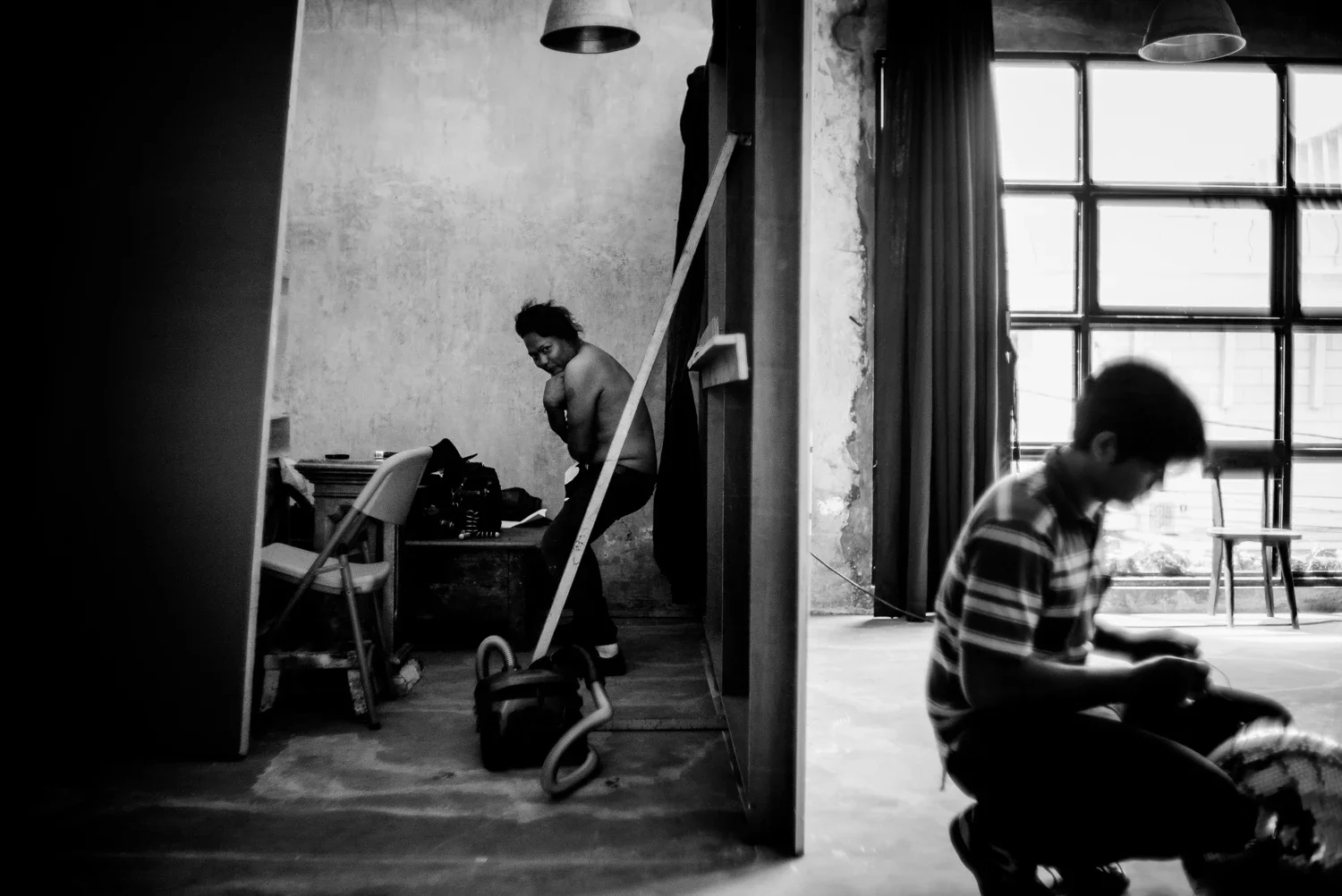
Anton Ismael is a Jakarta-based visual artist. These photographs were made on March 30, 2016, during the filming of a music video for Kelompok Penerbang Roket, which Anton directed, followed by a documentation of Anton’s Photography Session with Agnes Mo.
He has taught photography for over two decades through his “Kelas Pagi” aka morning class - for free - and has birthed many successful creatives in different fields of study.
The final product is a 10-minute documentary short film on his ideas and philosophy: The People’s Teacher
CECIL MARIANI
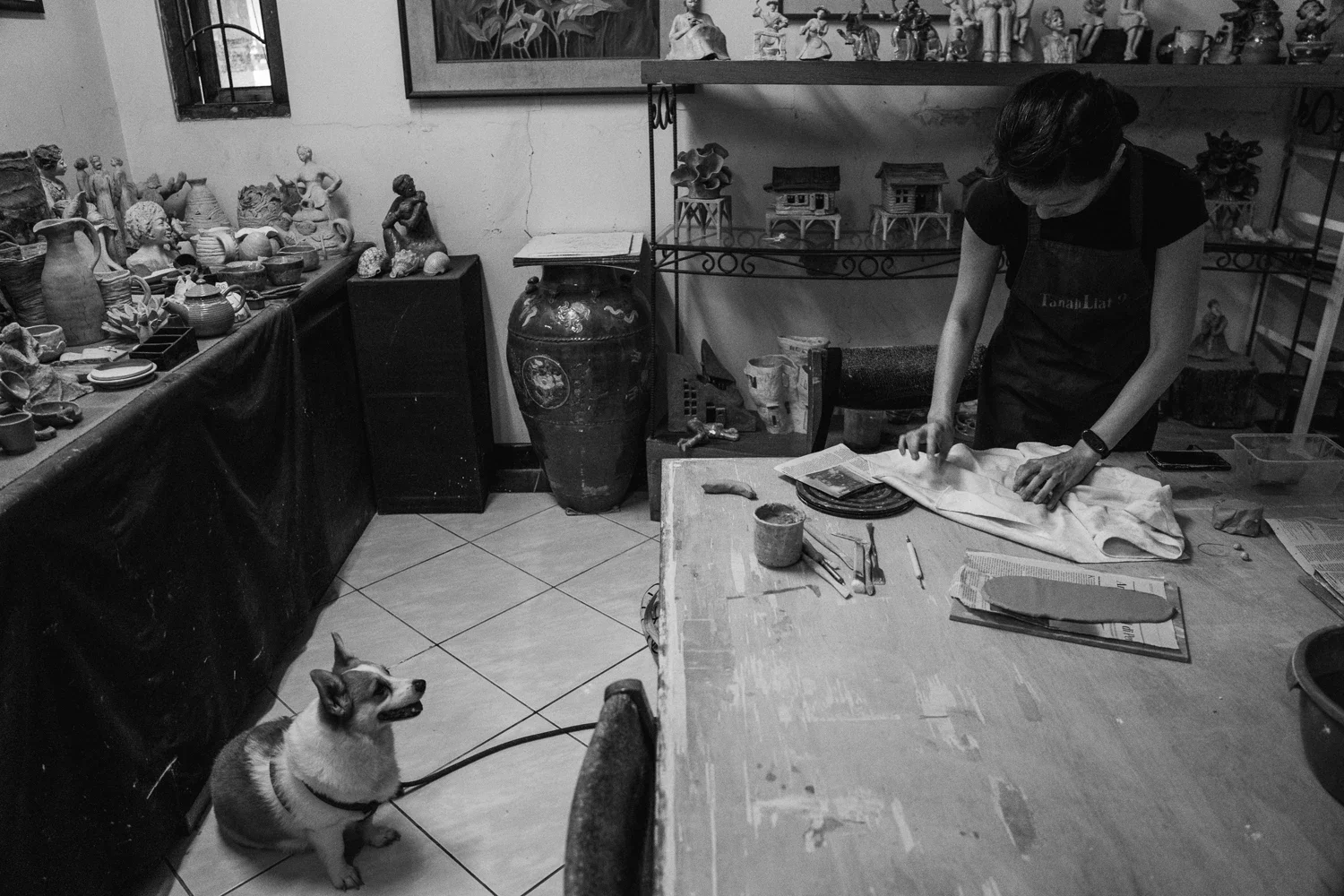
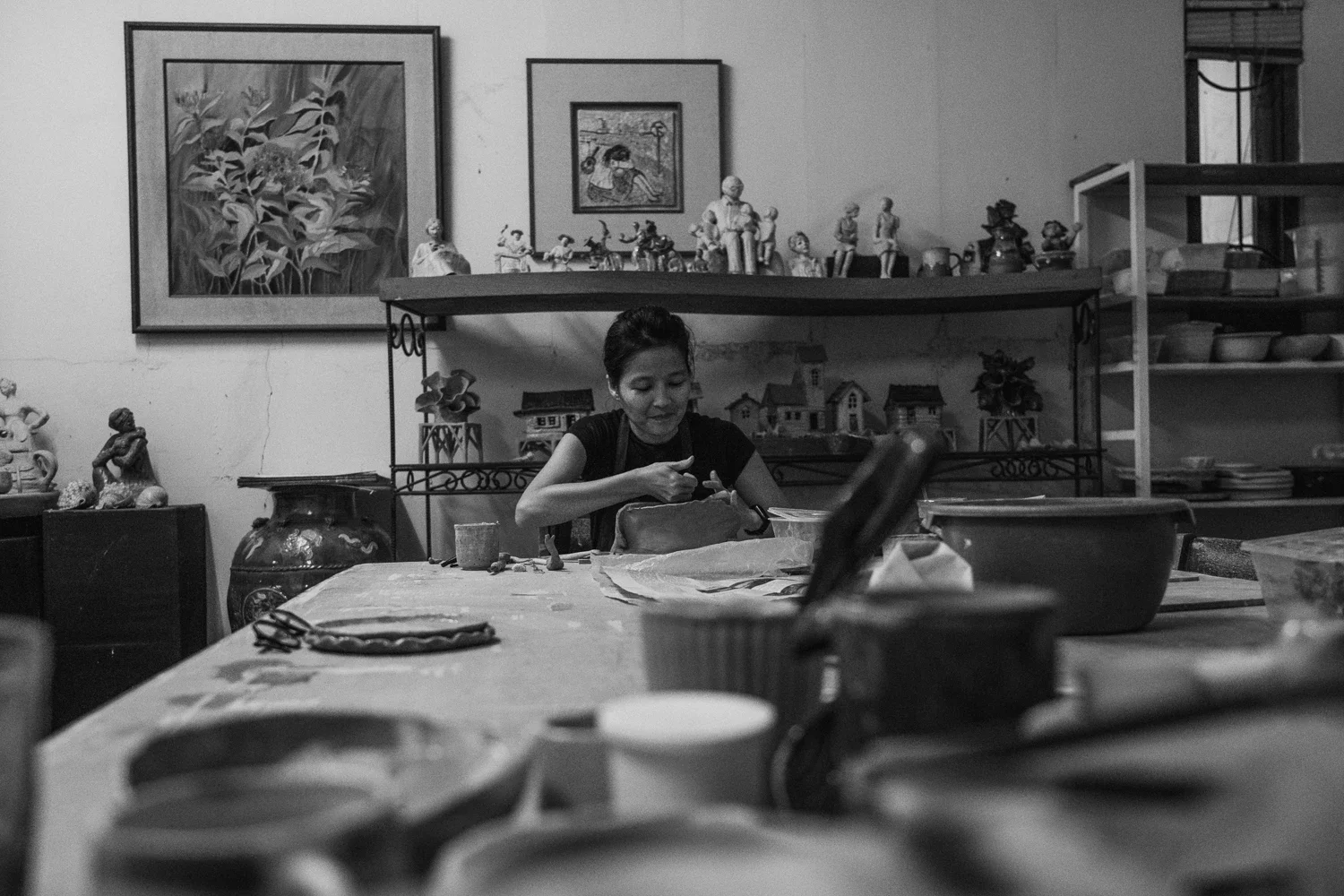
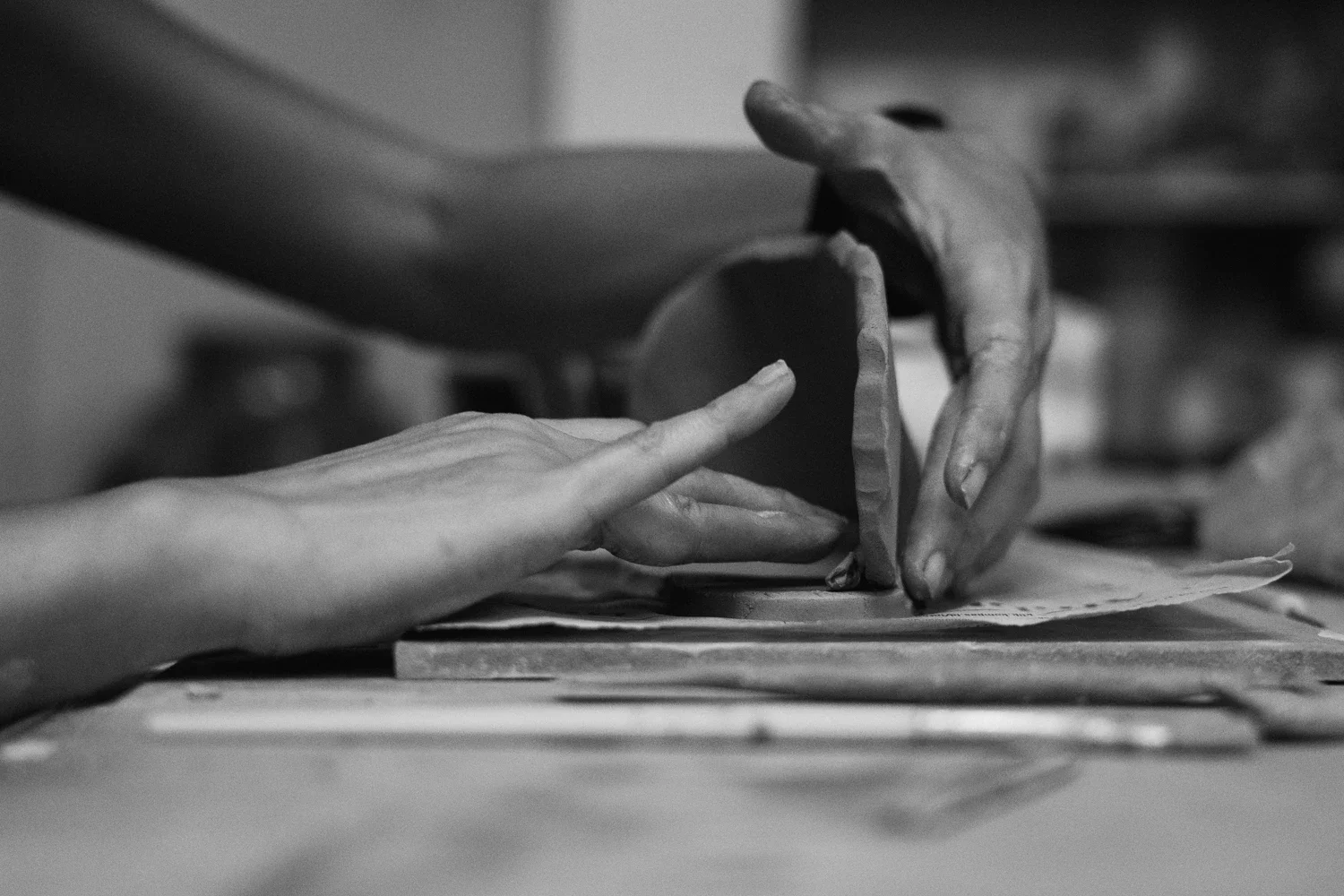
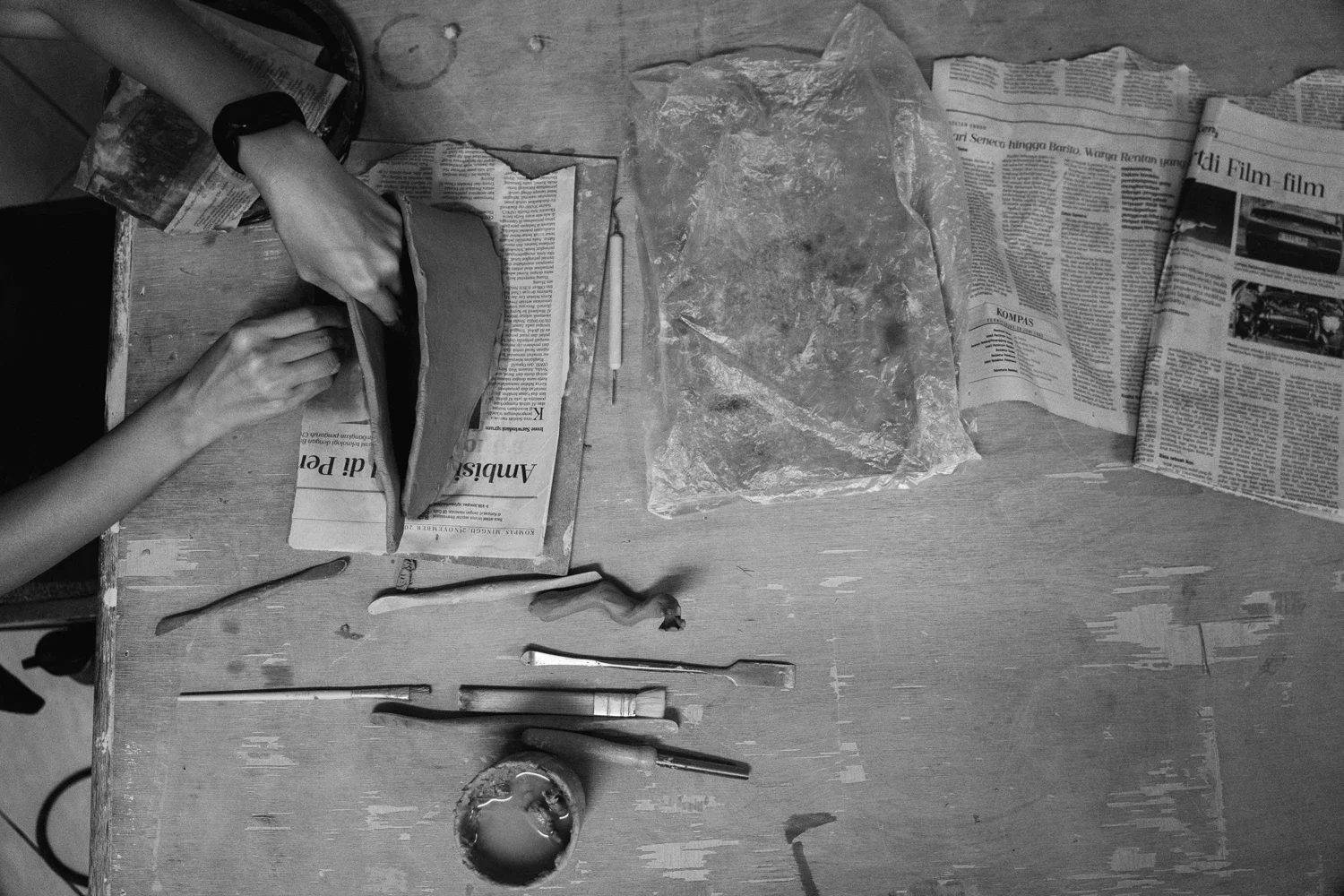
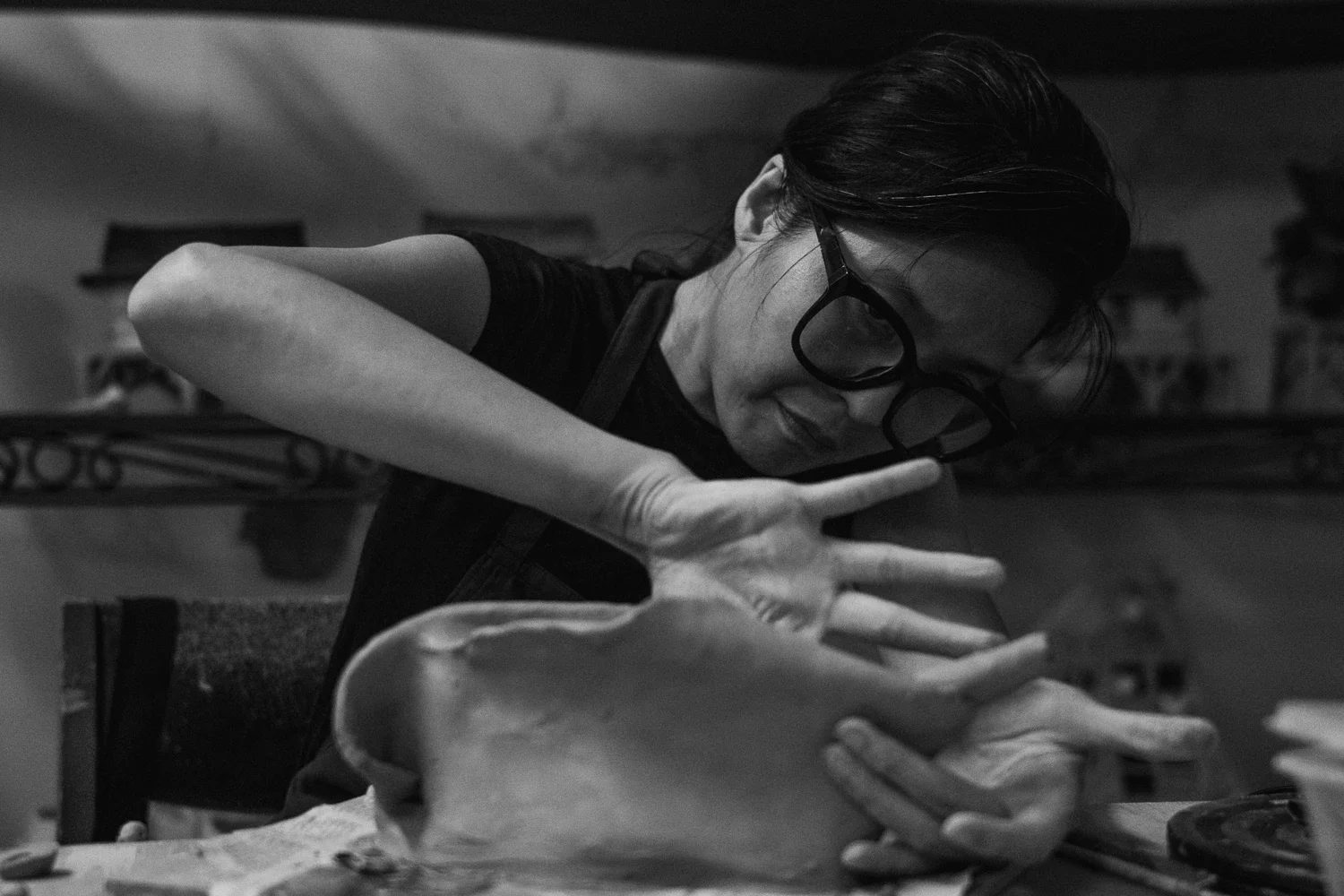
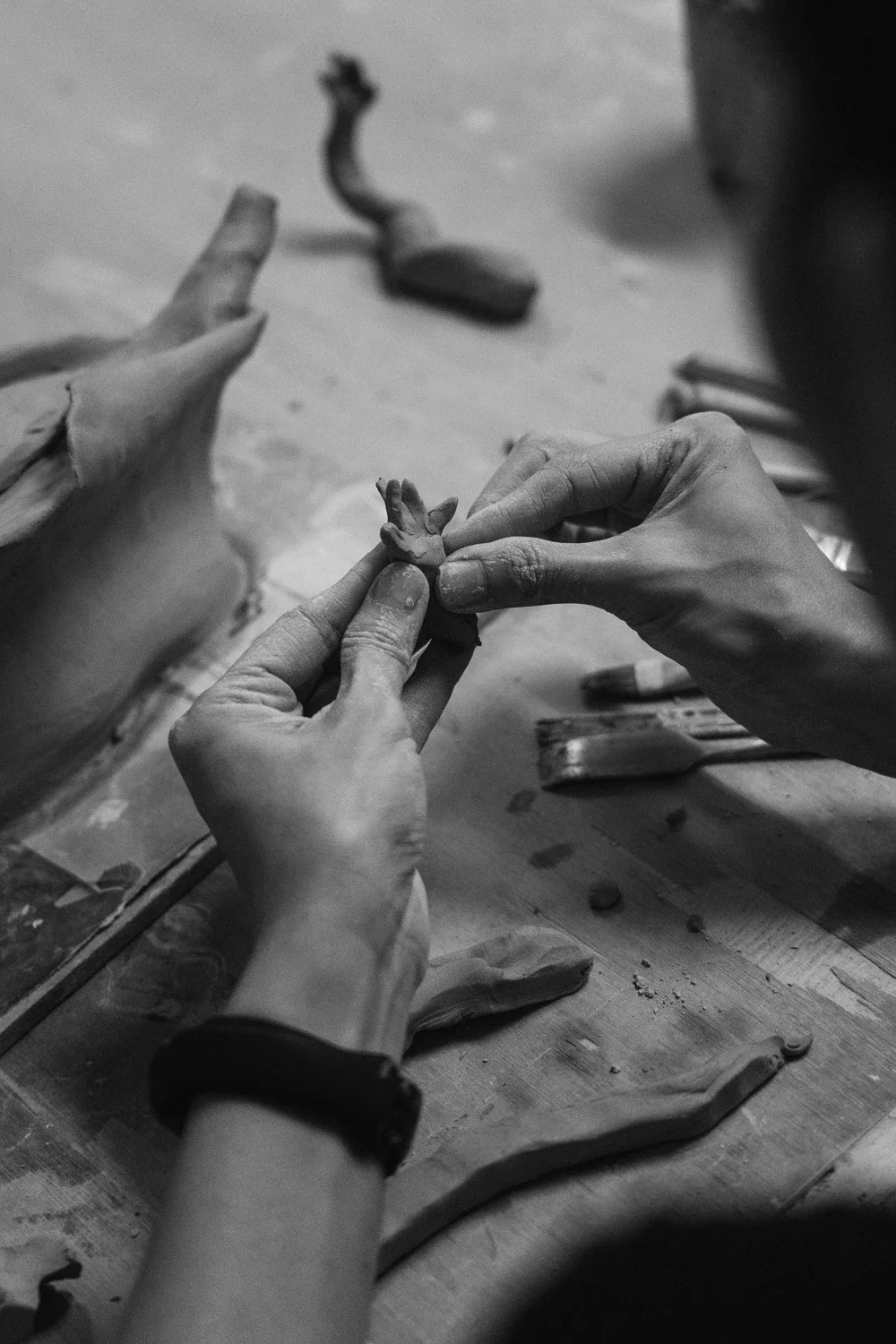
Indonesian artist, designer, and educator Cecil Mariani, 2026 (with Penny, her Corgi)
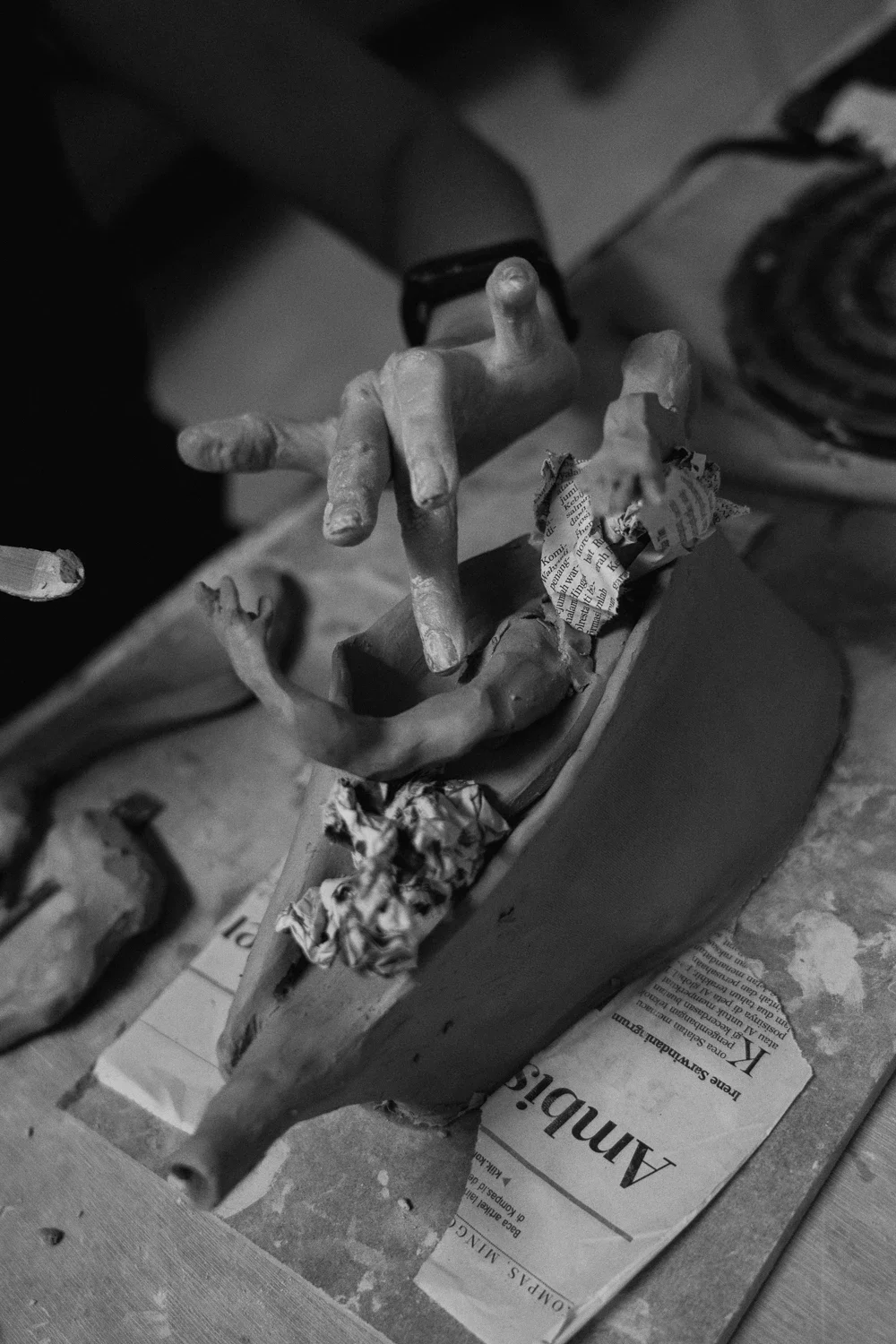
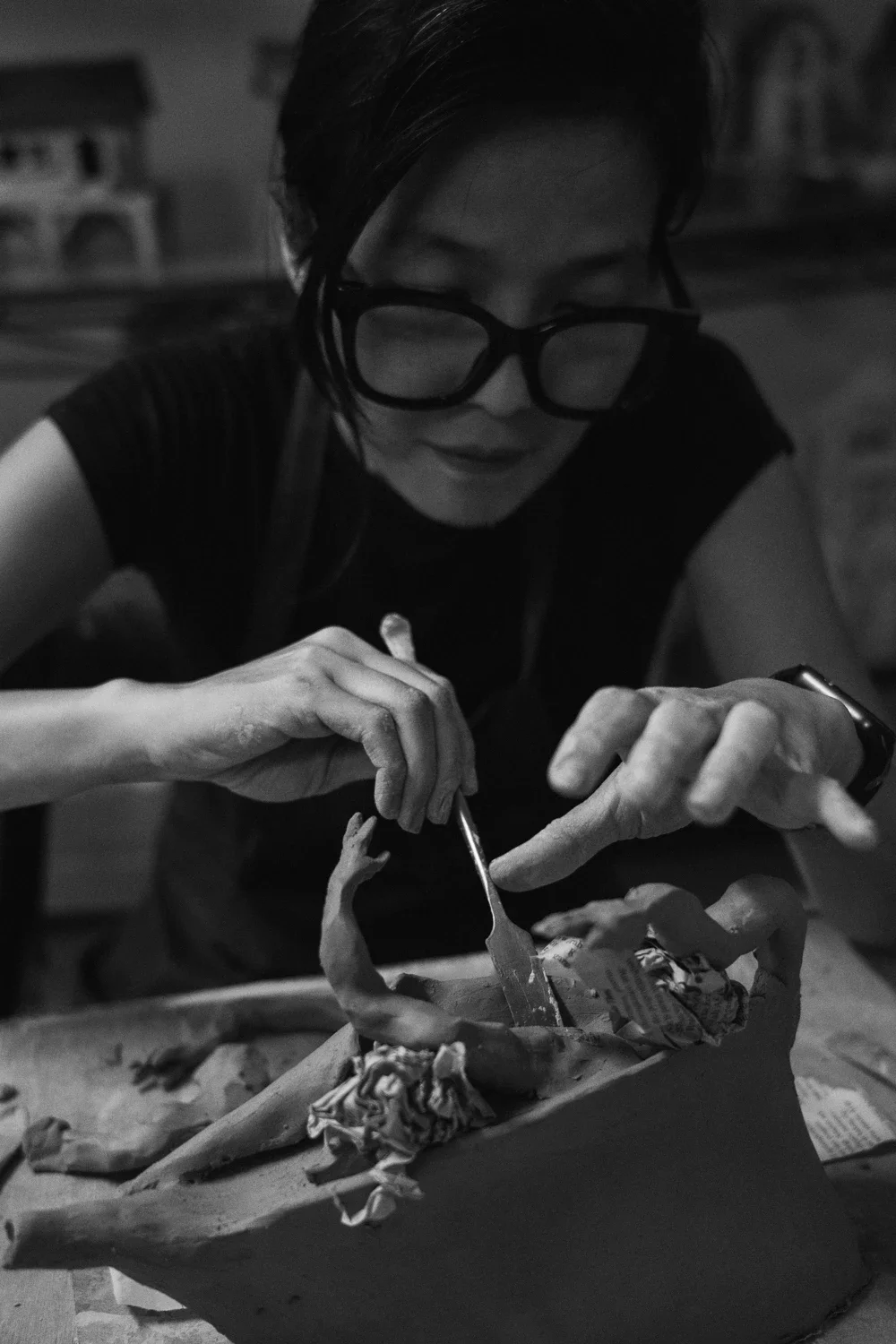
“I initially wanted to make a teapot for my mom. I truly wanted to make a proper one, but it ended up being weird,” her pottery mentor told her to continue doing her teapots the way they organically came out.
What started as an activity during the COVID shutdown turned into a new medium for her to express herself through pottery - specifically teapots. These teapots are in line with her other artistic works, such as Herons On The 12th House (her series of digitally created images printed using traditional gum oil technique), which dives into her roots and cultural traditions; the shapes of the limbs on the teapots resemble the shapes of her paintings.
Photographed at Studio Kollekan.
Follow Cecil on Instagram: @cecilmariani
CLASUTTA
Indonesian artist Clasutta, 2026
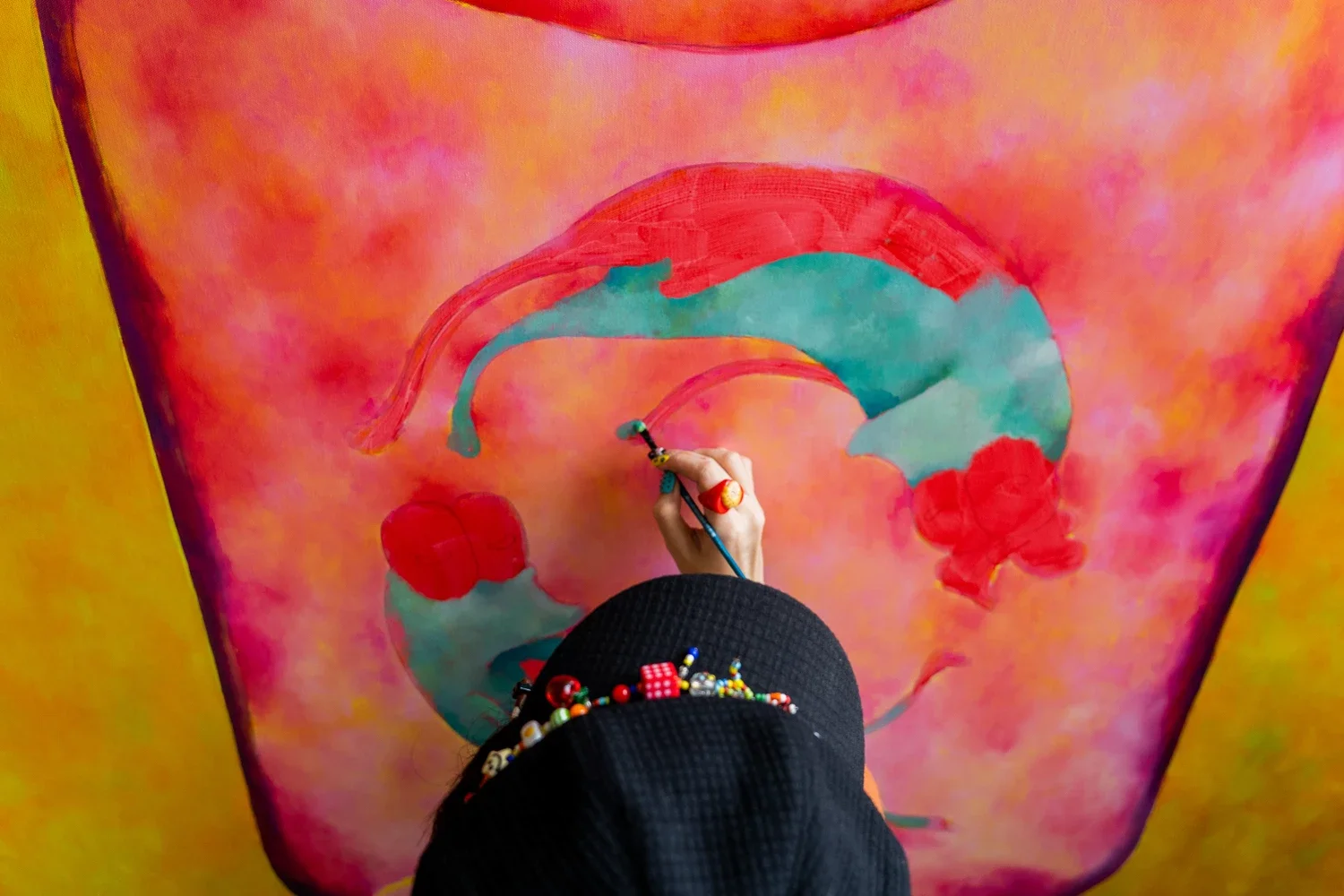
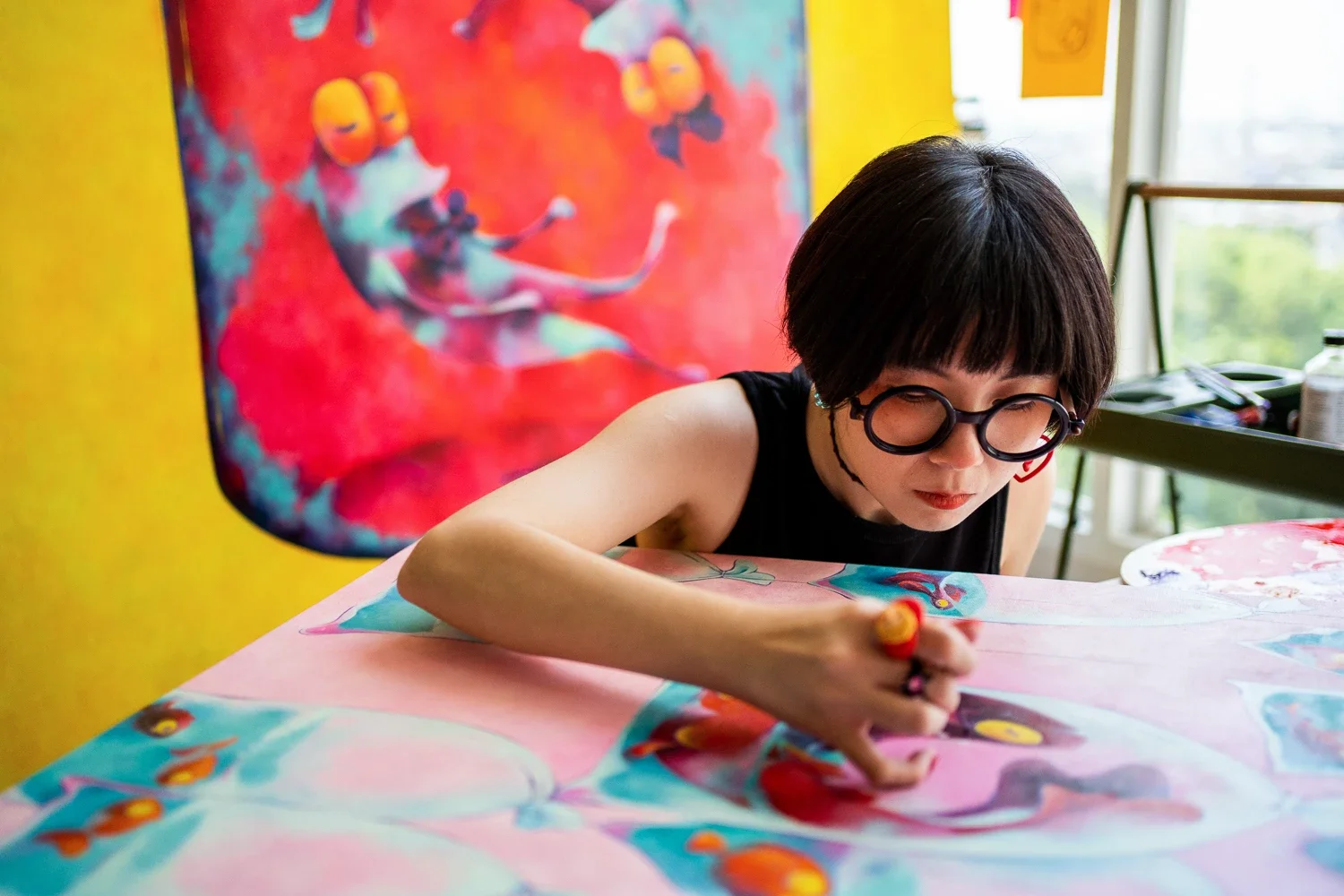
In the weeks before her first solo exhibition with Whitestone Gallery in Singapore, I photographed her in her studio in Jakarta, which at the time was already filled with about 60 paintings that she had prepared for almost a year. The wall filled with notes, seemingly random puzzle pieces of drawings and thoughts unveiled her process in the formation of her series of paintings.
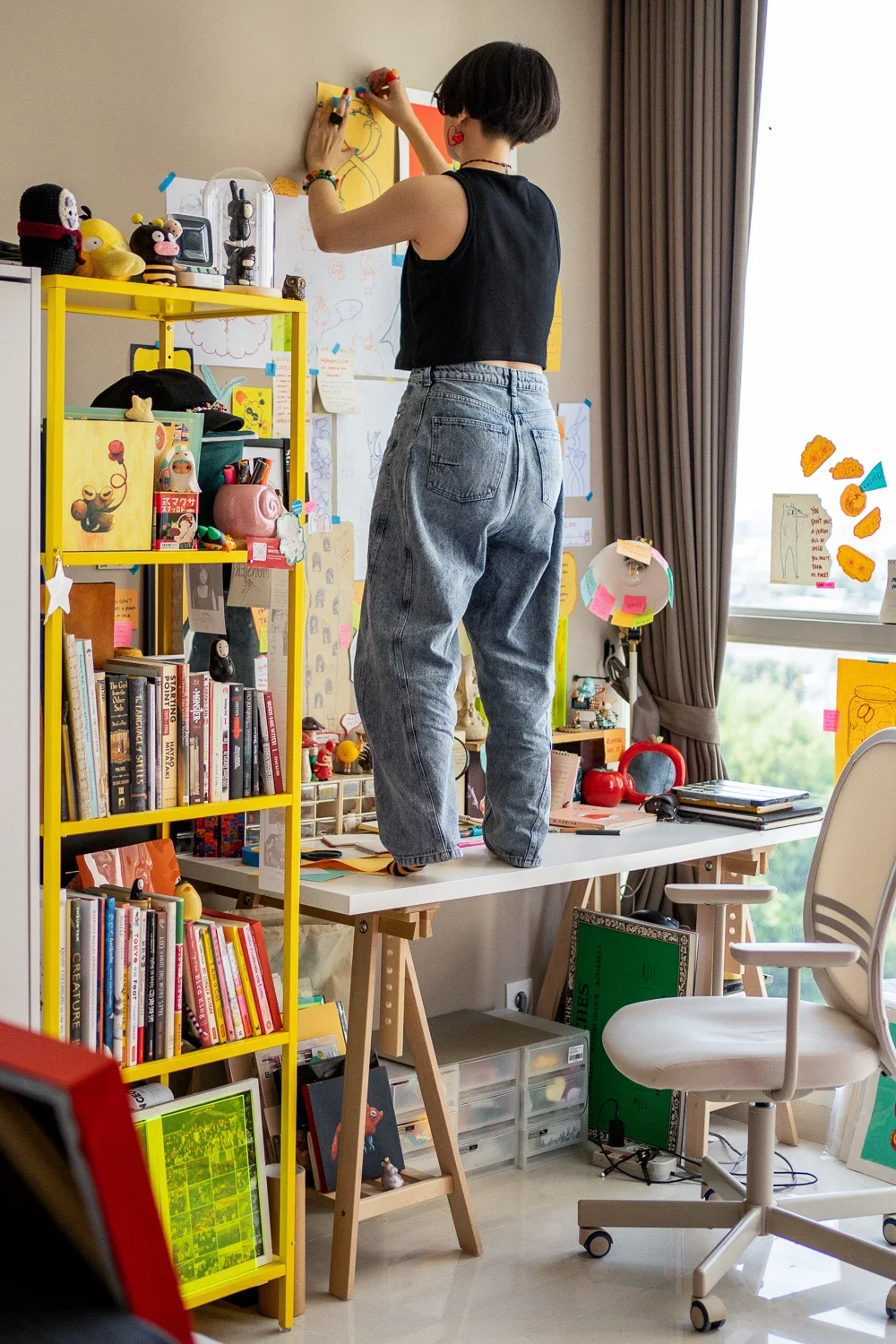
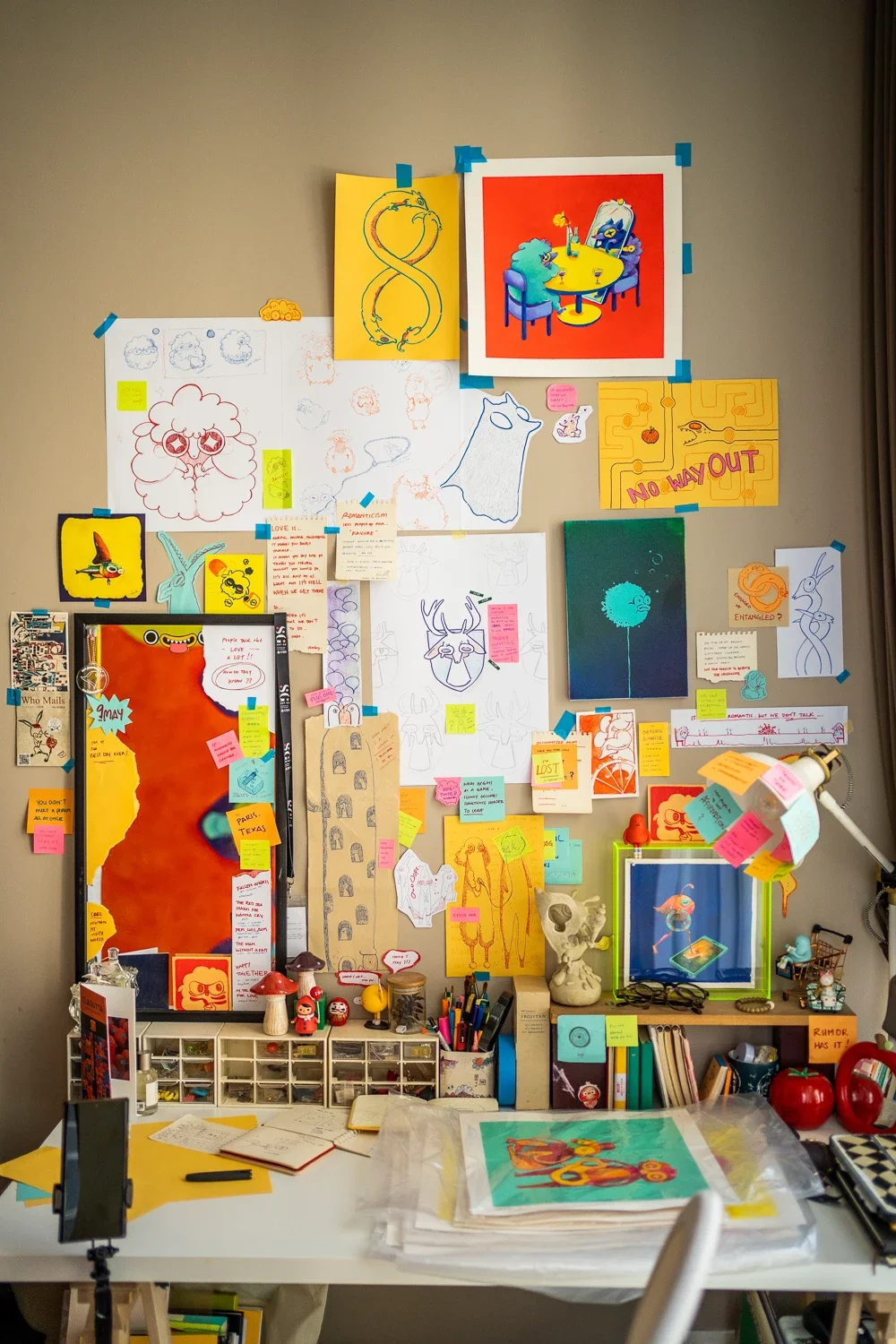
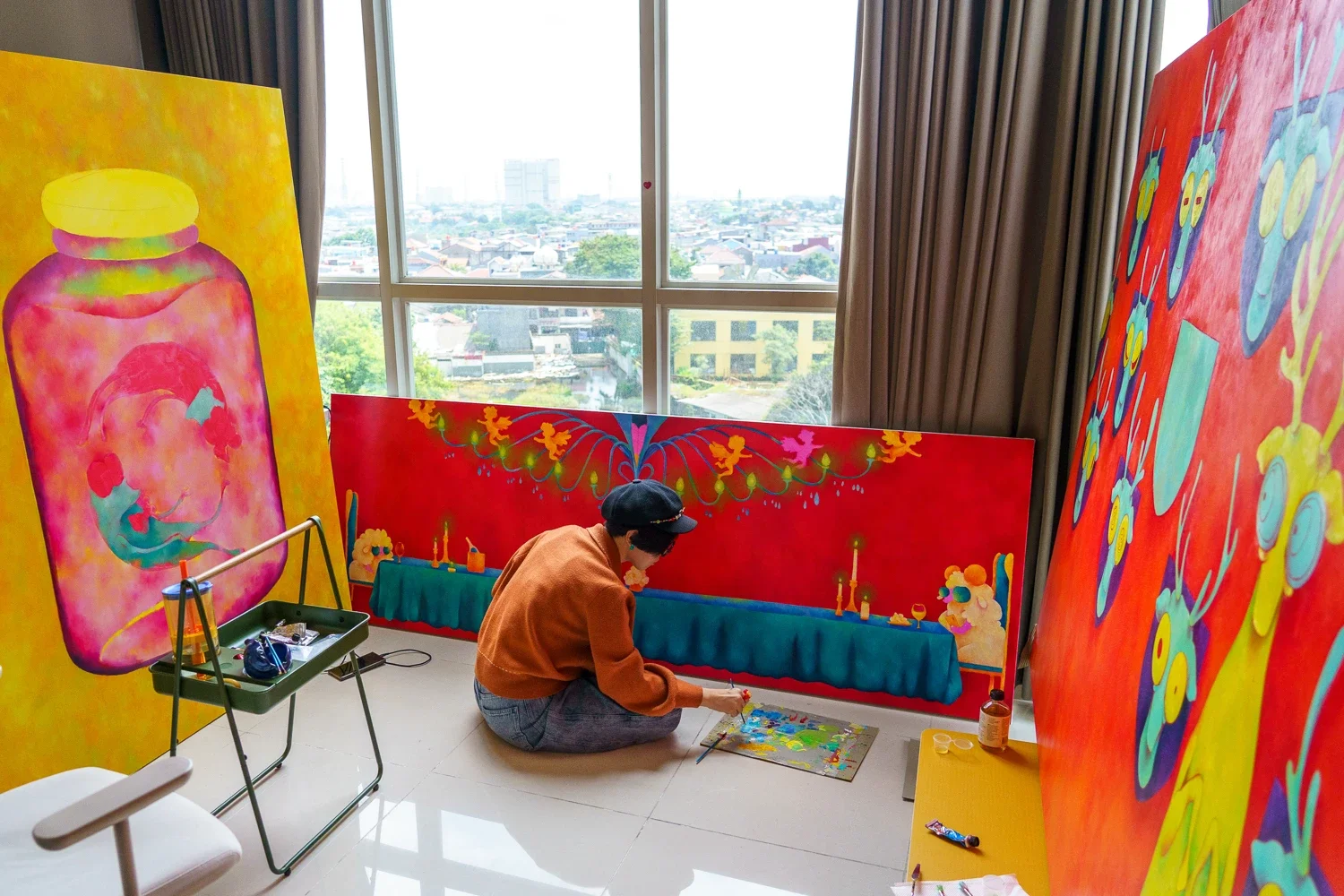
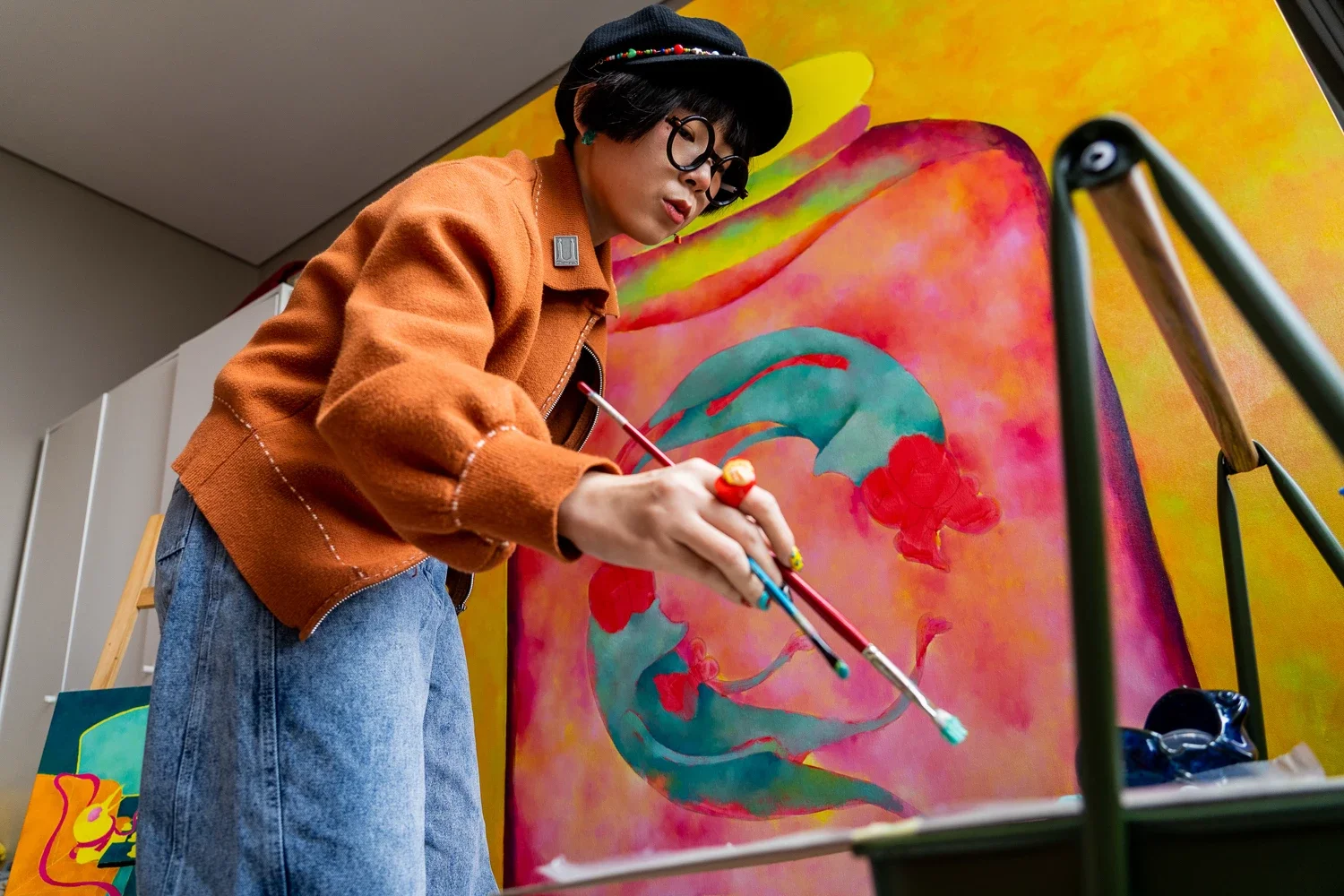
Equally interesting to me was the part of packaging the paintings to ship for the exhibition. What does the studio look like? I envisioned a shipwreck of a studio. All her personal things and furniture became secondary, pushed to the corners and sides. Papers and paintings took over the studio. Tiptoeing was essential.
I wasn’t off.
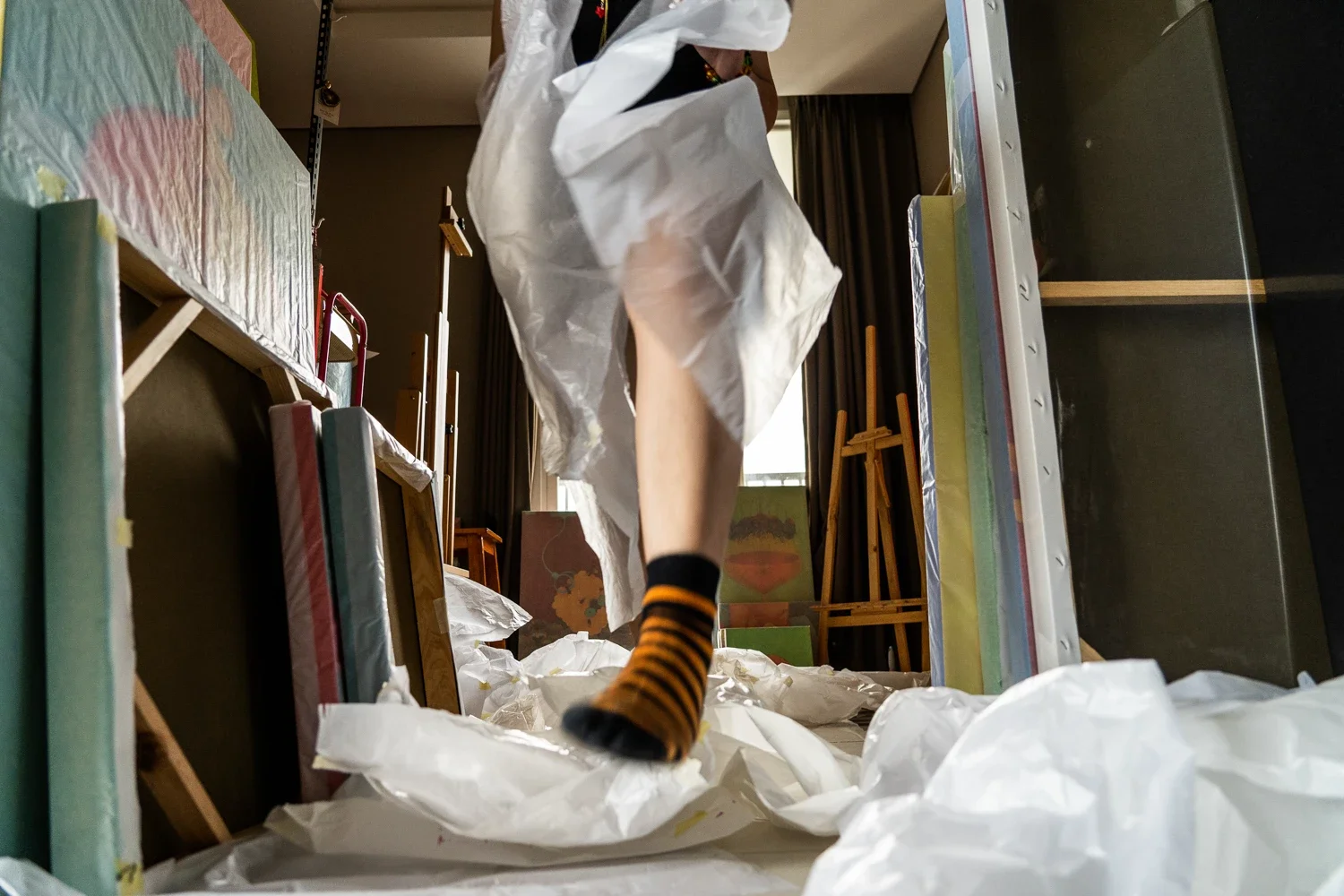
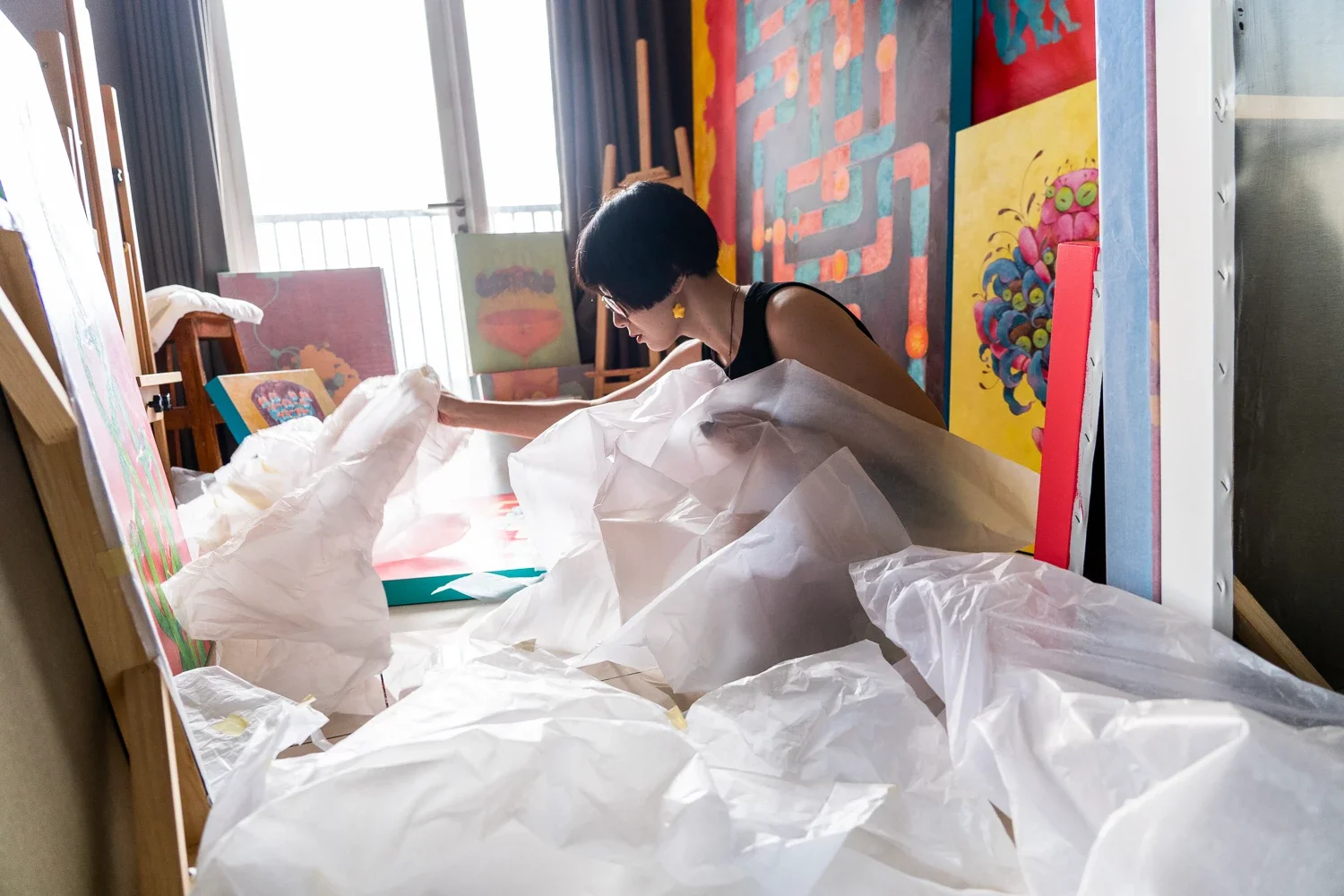
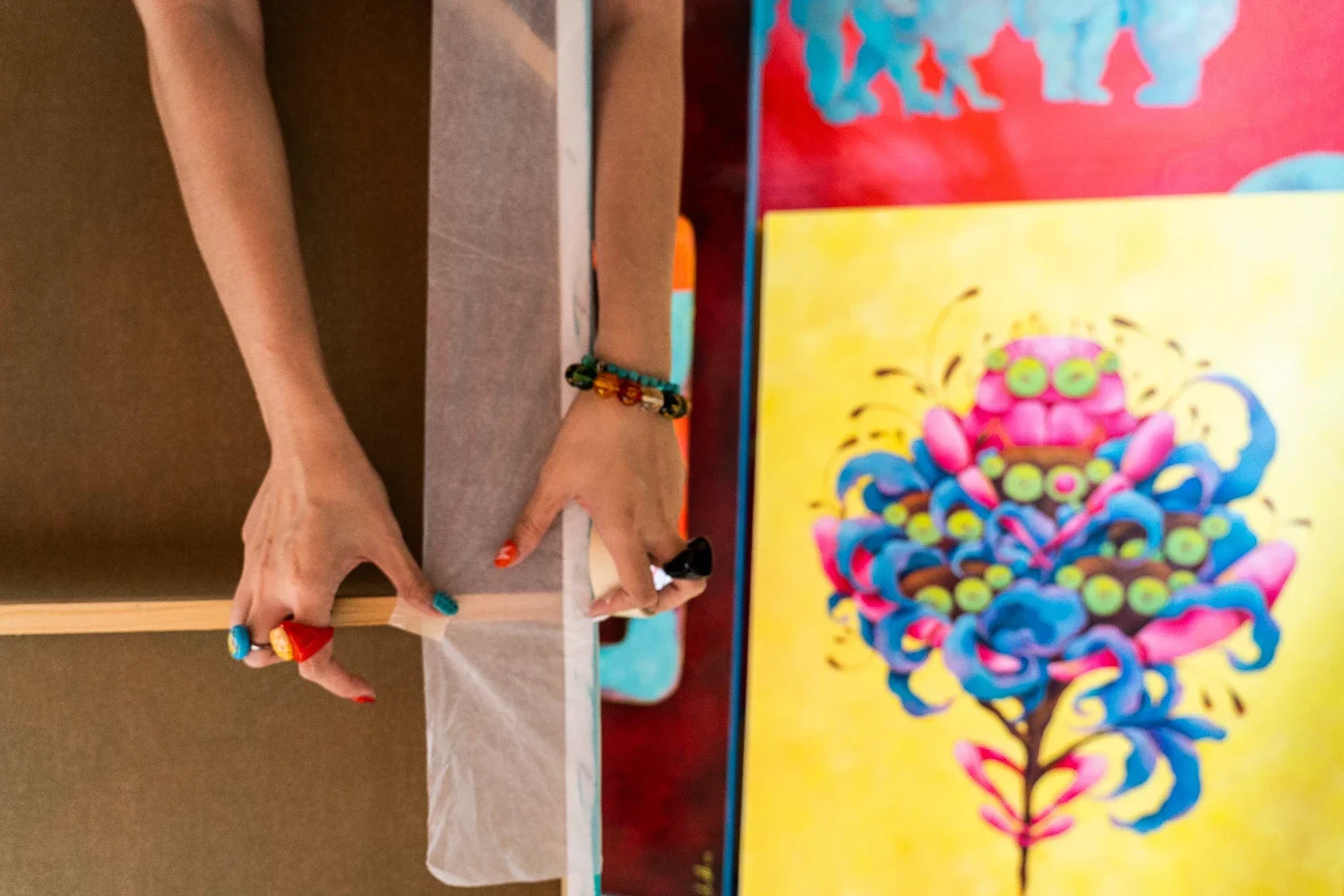
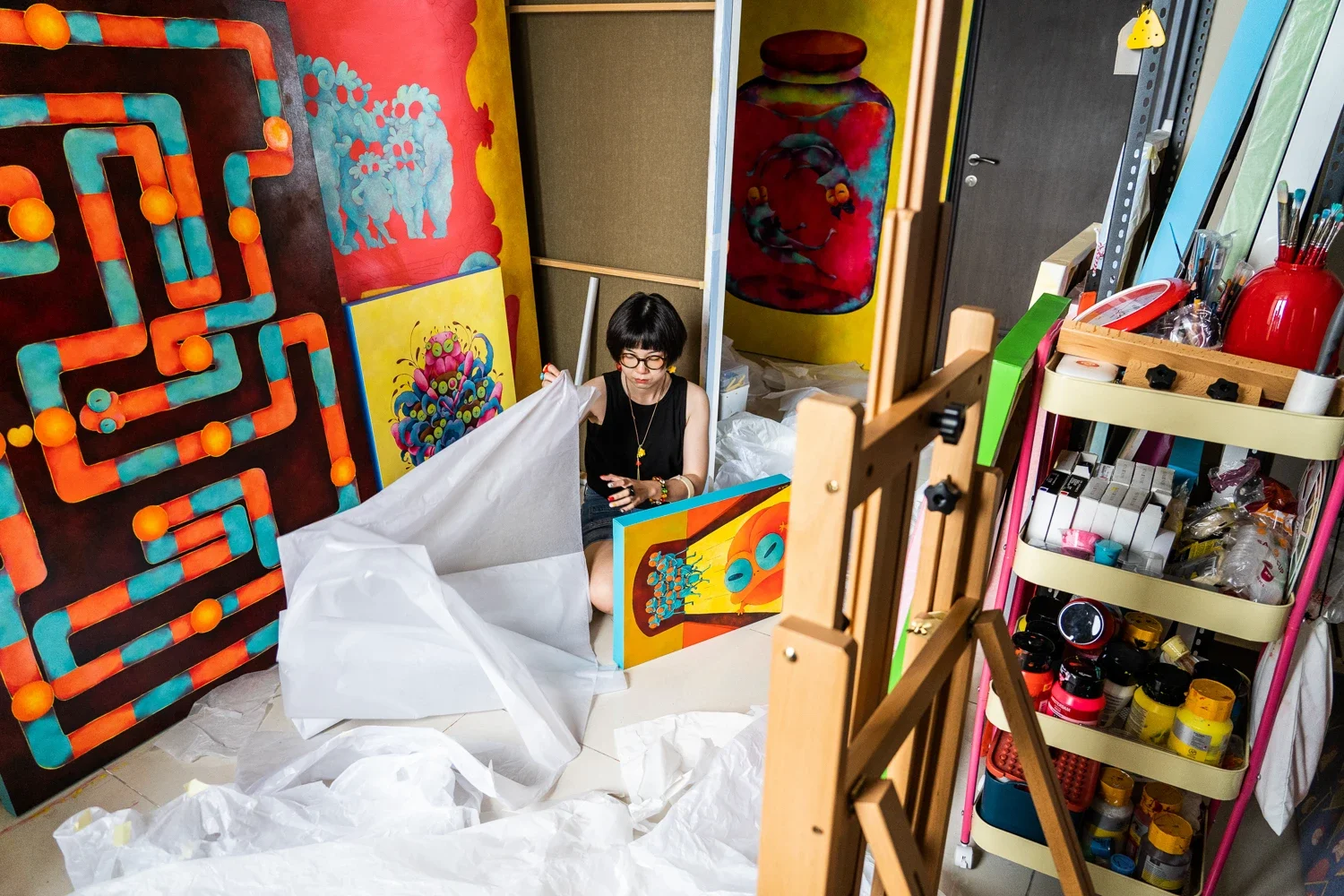
A 60-second exhibition teaser reel was created for Whitestone Gallery, aligning the story of the exhibition theme to the visuals taken of her working. Follow Clasutta on Instagram.
ARTIST DOCUMENTARY SERVICE
Every body of work has a moment when it becomes visible to the world - through an exhibition, a commission, a publication, or simply the passing of time.
What exists in photographs determines how it is seen, understood, and remembered.
If you are an artist who takes your practice seriously, this work is for you.
Event-based and yearly commissioning are available.
Inquire through the form below:
All images © Erwin Darmali, all rights reserved.